
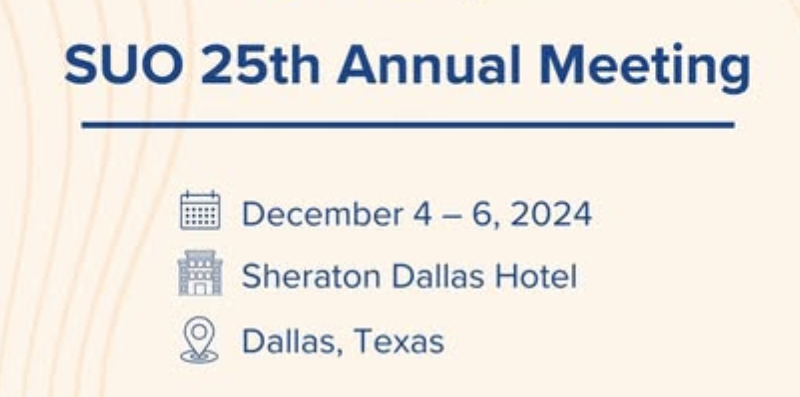
Society of Urologic Oncology 25th Annual Meeting 2024
$40.00
This Product is shared via google drive download link, So please share your correct Gmail id while placing the order .Please note that there are no CME points or certificate associated with this course Samples for Courses Can be found here : Free Samples Here!
Include: 15 videos + 1 pdf, size: 12.9 GB

Society of Urologic Oncology (SUO) 25th Annual Meeting 2024
Advanced Updates in Genitourinary Cancer Surgery, Systemic Therapy & Clinical Research
The Society of Urologic Oncology (SUO) 25th Annual Meeting 2024 delivers a comprehensive multidisciplinary review of modern genitourinary (GU) cancer management, bringing together leaders in urologic oncology, medical oncology, radiation oncology, translational research, and clinical trial development. Held December 4–6, 2024 at the Sheraton Dallas Hotel in Texas, the meeting reflects the rapidly evolving landscape of prostate, bladder, kidney, and testicular cancer care.
As precision oncology, immunotherapy, molecular diagnostics, and risk-adapted treatment strategies continue reshaping GU oncology, the SUO Annual Meeting provides a clinically focused platform for discussing current controversies, emerging therapies, surgical innovation, and translational cancer research.
This educational package includes:
- 15 Conference Videos
- 1 PDF Program Book
- Total Size: 12.9 GB
- Conference Date: December 4–6, 2024
The meeting combines state-of-the-art lectures, disease-focused sessions, clinical trial discussions, translational oncology updates, and multidisciplinary management strategies relevant to both academic and real-world oncology practice.
The Rapid Evolution of Genitourinary Oncology
Genitourinary cancer care has changed dramatically over the past decade. Advances in:
- Immunotherapy
- Targeted therapy
- Molecular profiling
- Risk stratification
- Robotic surgery
- Biomarker-driven treatment selection
- Advanced imaging
- Personalized systemic therapy
have significantly expanded therapeutic options for patients with GU malignancies.
At the same time, clinicians increasingly face difficult questions involving:
- Treatment sequencing
- Overtreatment versus active surveillance
- Adjuvant therapy timing
- Biomarker interpretation
- Surgical versus systemic therapy integration
- Long-term survivorship management
The SUO meeting repeatedly emphasizes that optimal GU oncology care now requires close collaboration across multiple specialties.
Bladder Cancer: Immunotherapy, BCG Failure & Treatment Selection
The bladder cancer sessions address one of the most rapidly changing areas in urologic oncology.
Topics include:
- Non-muscle invasive bladder cancer (NMIBC)
- BCG-unresponsive disease
- Intravesical therapy strategies
- Immunotherapy integration
- Advanced bladder cancer management
- Treatment sequencing decisions
The “BCG Unresponsive Non-Muscle Invasive Bladder Cancer” session is particularly relevant given the expanding number of available therapies and the increasing complexity of selecting optimal management pathways.
In practice, clinicians frequently face difficult decisions involving:
- Repeat intravesical therapy
- Early cystectomy timing
- Novel immunotherapy agents
- Patient selection for bladder preservation approaches
The discussions appropriately highlight how evolving evidence continues reshaping management standards in bladder oncology.
Kidney Cancer & Systemic Therapy Integration
The kidney cancer sessions review:
- Renal cell carcinoma (RCC) management
- Adjuvant systemic therapy
- Surgical planning strategies
- Advanced RCC treatment
- Immunotherapy combinations
- Metastatic disease management
Kidney cancer treatment has become increasingly multidisciplinary as immune checkpoint inhibitors and targeted therapies continue improving outcomes in advanced disease.
Clinical decision-making now often involves balancing:
- Surgical timing
- Cytoreductive nephrectomy considerations
- Adjuvant therapy eligibility
- Molecular risk stratification
- Long-term toxicity management
The course reflects the growing integration between surgical oncology and systemic therapy in RCC care.
Prostate Cancer: Evolving Risk Stratification & Treatment Paradigms
The prostate cancer sessions focus on:
- Advanced prostate cancer
- Hormonal therapy evolution
- Metastatic disease management
- Risk-adapted treatment strategies
- Novel systemic therapies
- Surgical and radiation integration
Prostate cancer management has become increasingly individualized as clinicians incorporate:
- Genomic classifiers
- PSMA imaging
- Molecular biomarkers
- Treatment intensification strategies
- Active surveillance protocols
One recurring challenge in prostate oncology involves determining which patients benefit from aggressive multimodal therapy versus more conservative management approaches.
Testicular Cancer & Seminoma Controversies
The testicular cancer sessions examine:
- Seminoma management controversies
- Risk stratification
- Surveillance strategies
- Systemic therapy considerations
- Long-term survivorship concerns
Testicular cancer remains one of the most curable solid malignancies, yet treatment decisions frequently require balancing excellent oncologic outcomes against:
- Long-term toxicity
- Fertility preservation
- Cardiovascular risk
- Secondary malignancy risk
- Quality-of-life considerations
The dedicated seminoma controversy session appropriately explores areas where evidence and clinical practice continue evolving.
Advanced Disease & Adjuvant Therapy
The advanced disease discussions explore:
- Metastatic GU malignancies
- Adjuvant treatment strategies
- Novel therapeutics
- Resistance mechanisms
- Treatment sequencing
- Clinical trial integration
Modern GU oncology increasingly involves long-term disease management rather than purely acute intervention, particularly in advanced prostate and kidney cancer.
Smoking, Vaping & Urologic Oncology Risk
One of the more distinctive state-of-the-art sessions examines:
- Smoking cessation
- Vaping and e-cigarettes
- Carcinogenic risk factors
- Tobacco-related GU malignancies
This reflects growing interest in preventive oncology and the broader public health implications of modifiable cancer risk factors.
Clinical Trials & Translational Oncology
The SUO Clinical Trials Consortium (SUO-CTC) session highlights the central role of clinical research in advancing GU oncology.
Topics include:
- Translational cancer research
- Clinical trial development
- Emerging therapeutics
- Biomarker-driven studies
- Precision oncology initiatives
The meeting repeatedly reinforces that modern urologic oncology increasingly depends on integrating clinical practice with ongoing research innovation.
Young Urologic Oncologists & Academic Development
The Young Urologic Oncologists (YUO) program focuses on:
- Career development
- Academic mentorship
- Research training
- Leadership pathways
- Professional networking
This reflects the broader role of the SUO not only as a scientific organization, but also as a major educational and mentorship platform within urologic oncology.
Real-World Clinical Relevance
One of the strongest aspects of the meeting is its focus on practical oncology decision-making.
The sessions repeatedly address:
- Multidisciplinary treatment planning
- Guideline interpretation
- Evidence uncertainty
- Complex case management
- Surgical judgment
- Systemic therapy integration
- Survivorship care
In modern oncology practice, many treatment decisions involve nuanced interpretation of incomplete or evolving evidence rather than simple protocol-driven algorithms.
What’s Included
- 15 full conference videos
- 1 official PDF program book
- Total size: 12.9 GB
- Bladder, prostate, kidney, and testis cancer sessions
- Advanced disease and adjuvant therapy discussions
- Clinical trials consortium presentations
- State-of-the-art oncology lectures
- Young Urologic Oncologists program content
Final Expert Perspective
Genitourinary oncology continues evolving rapidly through advances in immunotherapy, molecular diagnostics, surgical technology, and precision medicine. As treatment pathways become increasingly personalized and multidisciplinary, clinicians must continuously adapt to emerging evidence and shifting standards of care.
The Society of Urologic Oncology 25th Annual Meeting 2024 provides a broad and clinically sophisticated review of these developments through expert-led discussions, translational research updates, and disease-focused oncology sessions. For physicians and oncology professionals involved in prostate, bladder, kidney, and testicular cancer care, this meeting offers a valuable educational resource aligned with the realities of contemporary GU oncology practice.
Related products
Nephrology / Urology
USCAP Pearls and Pitfalls (Plain or Splashy) in Daily Urologic Pathology Practice 2023

Nephrology / Urology
2021 Epilepsy Board Review And Best Practice Course ( VIDEOS)
Internal Medicine
Introduction to Adult EM Bootcamp + The Practice of Emergency Medicine (Hippo) 2020
Internal Medicine
Nephrology Board Review Course 2018 (ThePassMachine) (Videos + PDFs)

Cardiology