
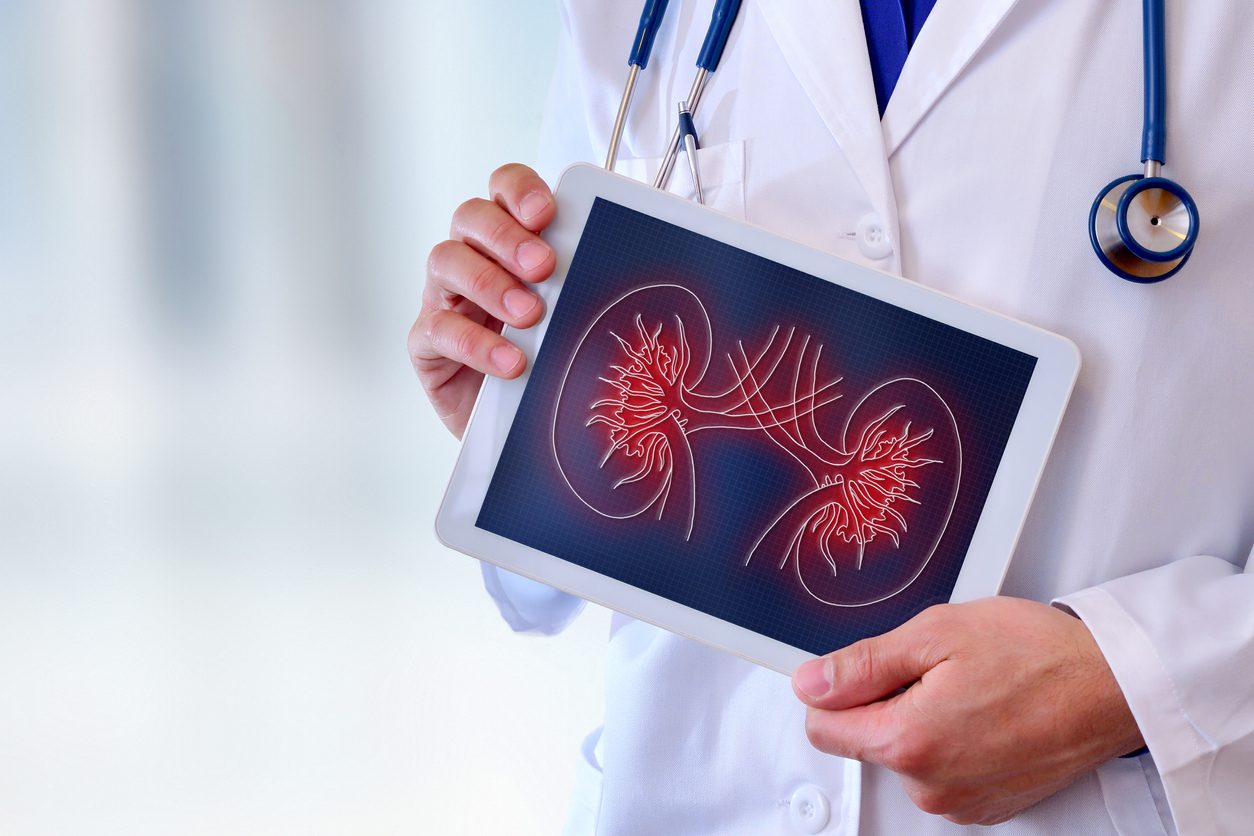
Beyond BASIC Intensive Care Nephrology

$30.00
This Product is shared via google drive download link, So please share your correct Gmail id while placing the order .Please note that there are no CME points or certificate associated with this course Samples for Courses Can be found here : Free Samples Here!



Beyond BASIC Intensive Care Nephrology
Practical ICU Nephrology, Acute Kidney Injury & Renal Replacement Therapy
Acute kidney injury (AKI) remains one of the most common and clinically significant complications encountered in critically ill patients. In modern intensive care units, renal dysfunction rarely occurs in isolation. Instead, it often develops within the broader context of sepsis, shock, multiorgan failure, respiratory compromise, abdominal hypertension, drug toxicity, and complex hemodynamic instability.
The Beyond BASIC Intensive Care Nephrology course delivers a focused, clinically practical review of ICU nephrology through an evidence-based approach to acute kidney injury, renal physiology, acid-base disorders, extracorporeal therapies, and renal replacement strategies in critically ill patients.
Structured as an intensive short-format program, the course emphasizes bedside decision-making and physiologic reasoning rather than purely theoretical nephrology concepts. The curriculum is particularly valuable for clinicians managing critically ill patients who require nuanced interpretation of:
- Fluid balance
- Renal perfusion
- Electrolyte disturbances
- Dialysis timing
- Drug dosing
- Multiorgan interactions
Why Intensive Care Nephrology Is Increasingly Important
Over the past two decades, ICU nephrology has evolved into a highly specialized area due to:
- Increasing patient complexity
- Aging critically ill populations
- Expanded use of extracorporeal therapies
- Improved survival after severe illness
- Rising sepsis incidence
- More aggressive oncologic and surgical interventions
Acute kidney injury now affects a substantial proportion of ICU patients and is associated with:
- Increased mortality
- Longer ICU stays
- Chronic kidney disease progression
- Higher healthcare utilization
- Long-term cardiovascular risk
The course repeatedly emphasizes that early recognition and physiologic understanding are essential to improving renal and overall patient outcomes.
Foundations of Renal Physiology in Critical Illness
One of the strengths of the program is its emphasis on practical renal physiology.
The course reviews:
- Functional renal anatomy
- Glomerular filtration dynamics
- Tubular physiology
- Renal autoregulation
- Hemodynamic influences on kidney function
Understanding these mechanisms becomes particularly important in critically ill patients where:
- Vasopressor use
- Mechanical ventilation
- Fluid shifts
- Systemic inflammation
- Intra-abdominal pressure
can significantly alter renal perfusion and filtration.
Acute Kidney Injury in the ICU
AKI serves as a major focus throughout the program.
The discussions examine:
- Definitions and staging of AKI
- Hemodynamic causes of renal dysfunction
- Sepsis-associated kidney injury
- Ischemic and toxic injury patterns
- Diagnostic evaluation
- Clinical monitoring strategies
In practice, AKI often reflects multiple simultaneous pathophysiologic processes rather than a single isolated insult.
The course highlights the importance of integrating:
- Urine output
- Hemodynamics
- Fluid status
- Medication exposure
- Laboratory trends
- Clinical context
into bedside management decisions.
Sepsis & Kidney Injury
The relationship between sepsis and AKI receives substantial attention.
Modern research increasingly recognizes that septic AKI involves far more than simple hypoperfusion alone.
The program explores:
- Inflammatory pathways
- Microvascular dysfunction
- Endothelial injury
- Mitochondrial dysfunction
- Immune dysregulation
These mechanisms help explain why some septic patients develop profound renal dysfunction despite apparently preserved systemic blood pressure.
Acid-Base & Electrolyte Disturbances
The acid-base lectures focus on:
- Metabolic acidosis
- Renal compensation
- ICU acid-base interpretation
- Electrolyte abnormalities
- Complex mixed disorders
Critically ill patients frequently present with overlapping disturbances related to:
- Sepsis
- Renal failure
- Mechanical ventilation
- Shock states
- Medication effects
The course emphasizes physiology-based interpretation rather than simplistic memorization strategies.
Diuretics & Fluid Management
Fluid balance remains one of the most difficult areas of ICU medicine.
The program reviews:
- Diuretic pharmacology
- Diuretic resistance
- Volume assessment
- Fluid overload management
- Renal perfusion optimization
Modern ICU care increasingly recognizes that both:
- Excessive fluid accumulation
and - Inadequate resuscitation
can worsen outcomes.
The lectures reinforce individualized fluid strategies rather than rigid resuscitation protocols.
Intra-Abdominal Hypertension & Renal Dysfunction
A particularly valuable component of the course is the discussion of:
- Intra-abdominal hypertension
- Abdominal compartment syndrome
- Renal venous congestion
- Organ perfusion impairment
These syndromes are frequently under-recognized contributors to AKI in critically ill surgical and trauma patients.
Rhabdomyolysis & Renal Injury
The rhabdomyolysis sessions review:
- Myoglobin-mediated kidney injury
- Electrolyte complications
- Fluid resuscitation strategies
- Dialysis indications
Rhabdomyolysis-associated AKI remains clinically important in:
- Trauma
- Critical illness
- Drug toxicity
- Prolonged immobilization
- Heat-related illness
Chronic Kidney Disease in Critical Care
The course also examines the challenges of managing critically ill patients with pre-existing CKD.
These patients often present unique difficulties involving:
- Fluid tolerance
- Drug clearance
- Electrolyte instability
- Dialysis access
- Hemodynamic vulnerability
Renal Replacement Therapy (RRT)
A major portion of the program focuses on renal replacement therapy in the ICU.
Topics include:
- Indications for dialysis
- Timing of RRT initiation
- Continuous renal replacement therapy (CRRT)
- Intermittent hemodialysis
- Hybrid dialysis techniques
- Peritoneal dialysis in critical care
The course emphasizes that dialysis decisions in critically ill patients are rarely based on laboratory values alone.
Instead, clinicians must integrate:
- Hemodynamic stability
- Volume status
- Electrolyte abnormalities
- Acid-base balance
- Catabolic state
- Multiorgan dysfunction
into individualized treatment planning.
Practical CRRT Management
The practical CRRT discussions are especially useful for ICU clinicians.
The lectures review:
- Circuit management
- Anticoagulation
- Ultrafiltration strategies
- Solute clearance principles
- Technical troubleshooting
Continuous extracorporeal therapies have become increasingly important for unstable ICU patients who cannot tolerate conventional intermittent dialysis.
Drug Dosing in AKI & Dialysis
Medication management during AKI remains a frequent source of clinical error.
The course reviews:
- Altered pharmacokinetics
- Antibiotic dosing adjustments
- Drug clearance during CRRT
- Toxicity prevention strategies
In critically ill patients receiving extracorporeal therapies, standard dosing models often become unreliable due to rapidly changing physiology.
Real-World ICU Relevance
One of the strongest aspects of Beyond BASIC Intensive Care Nephrology is its bedside orientation.
The program consistently focuses on:
- Practical ICU decision-making
- Physiologic interpretation
- Real-world renal support strategies
- Multidisciplinary critical care management
rather than isolated academic nephrology theory.
Topics Covered
- Acute kidney injury (AKI)
- Sepsis-associated AKI
- Renal physiology in critical illness
- Acid-base disorders
- Diuretics and fluid management
- Intra-abdominal hypertension
- Abdominal compartment syndrome
- Rhabdomyolysis
- Urosepsis
- Nephrolithiasis
- Chronic kidney disease in ICU patients
- Renal replacement therapy (RRT)
- Continuous renal replacement therapy (CRRT)
- Intermittent hemodialysis
- Hybrid dialysis techniques
- Peritoneal dialysis
- Drug dosing in AKI
Final Expert Perspective
Critical care nephrology increasingly requires clinicians to integrate renal physiology, hemodynamic management, extracorporeal therapies, acid-base interpretation, and multiorgan critical care into highly individualized bedside decision-making. Acute kidney injury in the ICU is rarely a simple isolated disorder and often reflects complex interactions between inflammation, perfusion abnormalities, metabolic stress, and systemic organ dysfunction.
The Beyond BASIC Intensive Care Nephrology course provides a practical and clinically focused review of ICU nephrology through discussions centered on AKI, CRRT, fluid management, dialysis strategies, and renal physiology in critically ill patients. For intensivists, nephrologists, anesthesiologists, ICU nurses, fellows, and acute care clinicians, the program offers a highly relevant and application-oriented update in modern intensive care nephrology.
Related products

Internal Medicine
Nephrology Board Review Course 2018 (ThePassMachine) (Videos + PDFs)

Internal Medicine
Introduction to Adult EM Bootcamp + The Practice of Emergency Medicine (Hippo) 2020

Nephrology / Urology
Cardiology

Internal Medicine

Nephrology / Urology

Cardiology
Internal Medicine