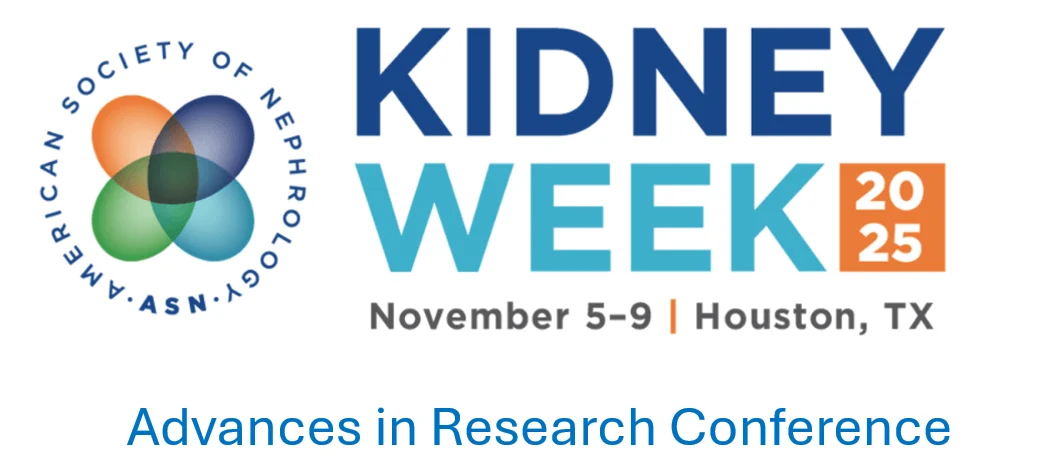
ASN Kidney Week Advances in Research Conference (ARC) 2025
Generative AI in Nephrology, Precision Medicine & Clinical Innovation
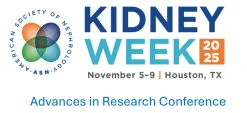
The ASN Kidney Week Advances in Research Conference (ARC) 2025 – Generative AI in Nephrology delivers a forward-looking and scientifically grounded exploration of how artificial intelligence is beginning to transform kidney disease research, clinical workflows, precision medicine, and nephrology decision-making. Developed as a specialized Early Program during ASN Kidney Week 2025, this conference focuses specifically on the emerging role of generative AI, large language models (LLMs), machine learning systems, and computational medicine in renal healthcare.
While artificial intelligence is often discussed in overly simplified or speculative terms, this program approaches the topic from a rigorous nephrology and biomedical research perspective. Rather than treating AI as a futuristic abstraction, the conference examines how these technologies are already influencing:
- Clinical documentation
- Predictive modeling
- Omics integration
- Precision nephrology
- Research automation
- Clinical trial design
- Decision support systems
- Kidney disease phenotyping
The course also addresses one of the most important realities in modern AI implementation: the tension between technological innovation and responsible clinical deployment.
Course Details
- Program: ASN Kidney Week Advances in Research Conference (ARC) 2025
- Topic: Generative AI in Nephrology
- Format: Video Lectures
- Event: ASN Kidney Week 2025 Early Program
- Focus: AI, large language models, omics integration, clinical decision support, and computational nephrology
Artificial Intelligence Is Entering Clinical Nephrology
Nephrology has historically been a data-intensive specialty involving:
- Longitudinal laboratory trends
- Complex medication regimens
- Multisystem chronic disease management
- Histopathology interpretation
- Dialysis analytics
- Transplant monitoring
- Risk prediction modeling
These characteristics make nephrology particularly well suited for AI-assisted analysis.
The symposium repeatedly emphasizes that artificial intelligence is unlikely to replace nephrologists, but rather may reshape how clinicians:
- Process information
- Interpret complex datasets
- Identify risk patterns
- Conduct research
- Manage documentation
- Personalize patient care
At the same time, the course acknowledges that AI implementation in medicine remains highly imperfect and requires substantial clinical oversight.
Generative AI & Large Language Models in Medicine
A major focus of the conference involves generative AI and large language models (LLMs).
Topics include:
- Clinical language models
- AI-generated medical documentation
- Automated summarization
- Decision-support tools
- Workflow automation
- Research assistance applications
Many healthcare systems are already exploring how generative AI may reduce administrative burden associated with:
- Clinical note generation
- Chart review
- Data extraction
- Patient communication
- Literature synthesis
However, the conference appropriately emphasizes that LLMs remain vulnerable to:
- Hallucinated information
- Clinical inaccuracies
- Bias propagation
- Overconfidence in uncertain outputs
The course repeatedly highlights the need for human clinical judgment despite increasing automation capabilities.
AI & Precision Nephrology
The precision medicine sessions explore how AI may improve understanding of biologically heterogeneous kidney diseases.
Topics include:
- Omics integration
- Genomics and proteomics analysis
- Phenotype clustering
- Predictive analytics
- Therapeutic target discovery
Kidney disease classifications have historically relied heavily on:
- Histopathology
- Serum biomarkers
- Clinical syndromes
AI-driven computational analysis may increasingly allow clinicians and researchers to identify:
- Molecular subtypes of disease
- Treatment-responsive populations
- Early progression signals
- Novel therapeutic pathways
The symposium explores how machine learning could eventually refine disease categories that currently remain broad and biologically imprecise.
Omics Data & Computational Discovery
Modern nephrology research increasingly generates enormous datasets involving:
- Genomics
- Transcriptomics
- Proteomics
- Metabolomics
- Single-cell sequencing
- Imaging data
The course examines how AI systems may help integrate these complex data streams into clinically meaningful insights.
Without computational tools, interpreting large-scale omics data often becomes practically impossible in real-world research settings.
The conference appropriately frames AI not simply as automation technology, but as a potential bridge between big data and clinically actionable nephrology research.
AI in Clinical Trials & Research Design
The clinical trials discussions focus on how machine learning may reshape nephrology research methodology.
Topics include:
- Prognostic enrichment
- Automated event adjudication
- AI-assisted patient selection
- Predictive trial modeling
- Research workflow acceleration
One of the major challenges in nephrology clinical trials involves:
- Slow recruitment
- Heterogeneous disease populations
- Variable progression rates
- Difficult endpoint interpretation
The course explores whether AI-based models may improve:
- Trial efficiency
- Risk stratification
- Endpoint prediction
- Personalized therapeutic targeting
Bias, Ethics & Equity in Healthcare AI
A particularly important component of the conference involves algorithmic bias and ethical implementation.
Topics include:
- Bias in predictive models
- Health disparities in AI systems
- Ethical deployment of clinical AI
- Data inequities
- Fairness in kidney disease prediction
This area is especially relevant in nephrology because kidney disease disproportionately affects populations already vulnerable to healthcare inequities.
The symposium appropriately warns that poorly designed AI systems may unintentionally:
- Reinforce disparities
- Misclassify minority populations
- Limit access to care
- Distort risk prediction models
Rather than presenting AI as universally beneficial, the course offers a more balanced discussion regarding both opportunity and risk.
AI-Assisted Clinical Decision Support
The practical clinical sessions review:
- AI-assisted diagnosis
- Risk prediction tools
- Workflow integration
- Clinical decision support systems
- Personalized treatment planning
Many nephrologists remain understandably cautious about integrating AI into patient care due to concerns regarding:
- Reliability
- Transparency
- Accountability
- Data quality
- Clinical validation
The conference acknowledges these concerns while exploring realistic areas where AI may provide meaningful support without replacing physician oversight.
Digital Medicine & the Future of Nephrology
The broader discussions throughout the course examine how digital technologies may reshape:
- Outpatient nephrology care
- Dialysis management
- CKD progression monitoring
- Predictive analytics
- Remote patient surveillance
- Population health strategies
The symposium repeatedly emphasizes that successful AI integration will likely depend less on technological novelty and more on whether tools genuinely improve:
- Clinical efficiency
- Diagnostic accuracy
- Research productivity
- Patient outcomes
Bridging Computational Science & Clinical Medicine
One of the strengths of the conference is its effort to bridge two traditionally separate worlds:
- Computational/data science
- Clinical nephrology practice
Many nephrologists remain unfamiliar with the practical capabilities and limitations of AI systems, while many technology developers lack understanding of real-world nephrology workflows and clinical nuance.
This course attempts to narrow that gap through clinically relevant discussions rather than purely theoretical technical presentations.
Educational Structure
The conference combines:
- Research-focused lectures
- Clinical AI applications
- Ethics discussions
- Computational medicine reviews
- Precision nephrology sessions
- Future technology forecasting
This structure helps clinicians understand not only what AI can do, but also where meaningful limitations still exist.
What’s Included
- Generative AI nephrology lectures
- Large language model applications
- Omics and precision medicine discussions
- Clinical trial innovation sessions
- AI ethics and bias reviews
- Clinical workflow integration strategies
Target Audience
This course is ideal for:
- Nephrologists
- Clinical researchers
- Physician-scientists
- Data scientists in healthcare
- Internal medicine physicians
- Nephrology fellows and trainees
- Translational medicine researchers
- Digital health innovators
Why This ASN AI in Nephrology Course Matters
Artificial intelligence is rapidly moving from experimental research environments into real-world clinical medicine. In nephrology, AI technologies may significantly influence disease prediction, precision therapeutics, clinical trial design, workflow automation, and patient management over the coming decade. However, meaningful implementation requires far more than enthusiasm for technology alone.
The ASN Kidney Week Advances in Research Conference (ARC) 2025 – Generative AI in Nephrology provides a balanced, scientifically grounded exploration of how AI may realistically shape the future of kidney medicine. By addressing both the transformative potential and the ethical, technical, and clinical limitations of these systems, the course offers nephrologists and researchers a thoughtful educational framework for navigating the rapidly evolving intersection of artificial intelligence and renal healthcare.