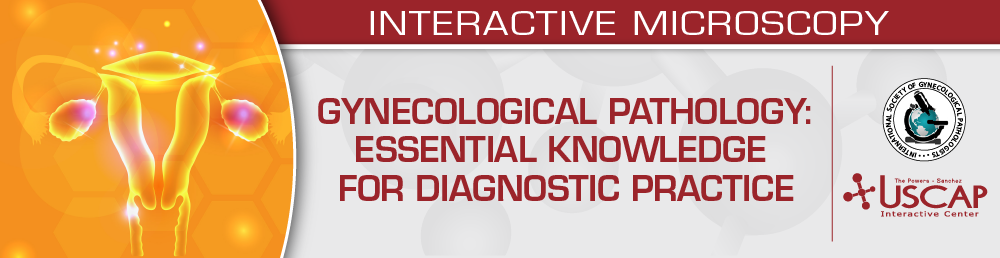
USCAP Gynecological Pathology 2024: Essential Knowledge for Diagnostic Practice

$55.00
This Product is shared via google drive download link, So please share your correct Gmail id while placing the order .Please note that there are no CME points or certificate associated with this course Samples for Courses Can be found here : Free Samples Here!
Format:12 Videos + 7 PDFs


USCAP Gynecological Pathology 2024: Essential Knowledge for Diagnostic Practice
Advanced Gynecologic Pathology CME Course (12 MP4 + PDF)
Stay current with the latest diagnostic advances in gynecologic pathology through this comprehensive USCAP educational program designed for practicing pathologists, pathology fellows, and residents.
USCAP Gynecological Pathology 2024: Essential Knowledge for Diagnostic Practice delivers a modern, case-based review of challenging gynecologic lesions with a strong focus on:
- Updated WHO classifications
- Morphologic recognition
- Immunohistochemistry
- Molecular pathology
- Differential diagnosis
- Diagnostic pitfalls
- Clinically relevant pathology reporting
This expert-led course is presented by internationally recognized faculty delegated by the International Society of Gynecological Pathologists (ISGyP) and provides practical guidance for real-world surgical pathology practice.
Course Details
📅 Release Year: 2024
🎥 Format: 12 MP4 Videos + PDF Course Materials
🎓 CME Educational Activity
🏢 Provider: USCAP
🩺 Specialty: Gynecologic Pathology / Surgical Pathology
📚 Level: Intermediate to Advanced
💻 Access: On-Demand Learning
Course Overview
Diagnostic gynecologic pathology is one of the most complex areas in surgical pathology due to:
- Numerous disease entities
- Overlapping morphologic patterns
- Rare tumor variants
- Constantly evolving classifications
- Expanding molecular discoveries
Recent advances in:
- Molecular genetics
- Tumor classification systems
- Immunohistochemical markers
- Precision oncology
have significantly changed diagnostic criteria for many gynecologic neoplasms.
This course was specifically designed to help pathologists:
✔️ Recognize newly classified disease entities
✔️ Apply updated diagnostic criteria
✔️ Improve diagnostic accuracy
✔️ Integrate molecular findings into pathology practice
✔️ Avoid common diagnostic pitfalls
✔️ Strengthen clinical-pathologic correlation skills
Learning Objectives
Upon completion of this educational activity, learners will be able to:
✔️ Recognize updated diagnostic criteria and disease classifications in gynecologic pathology
✔️ Identify unusual but clinically important gynecologic disease entities
✔️ Apply immunohistochemical studies in diagnosis and differential diagnosis
✔️ Integrate molecular genetic findings into pathology interpretation
✔️ Understand the clinical implications of modern gynecologic pathology classification systems
Why This Course Is Valuable
Modern gynecologic pathology increasingly requires integration of:
- Histopathology
- Molecular diagnostics
- Immunophenotyping
- Clinical correlation
- Genomic classification
This course emphasizes:
Practical diagnostic application
through:
- Case-based learning
- Multi-headed microscope teaching
- Morphologic pattern recognition
- Ancillary testing strategies
- Real-world pathology examples
making it highly useful for:
- Daily sign-out practice
- Board review
- Fellowship training
- Academic pathology
- Community pathology practice
Featured Topics & Faculty
Epithelial Malignancies of the Vulva and Cervix
👨⚕️ C. Blake Gilks, MD
Topics include:
- HPV-associated lesions
- HPV-independent carcinomas
- Vulvar neoplasia
- Cervical tumor classification
- Updated WHO criteria
- Diagnostic pitfalls and mimics
Ovarian Neoplasms
👨⚕️ Teri A. Longacre, MD
Comprehensive review of:
- Epithelial ovarian tumors
- Borderline tumors
- Germ cell tumors
- Sex cord stromal tumors
- Rare ovarian neoplasms
- Molecular classification updates
Mesenchymal Neoplasms of the Uterine Corpus
👨⚕️ Jennifer A. Bennett, MD
Coverage includes:
- Leiomyoma variants
- Leiomyosarcoma
- Endometrial stromal tumors
- High-grade uterine sarcomas
- Differential diagnosis of spindle cell lesions
- Molecular pathology integration
Gestational Trophoblastic Disease and Focused Contemporary Topics
👨⚕️ Pei Hui, MD, PhD
Topics include:
- Hydatidiform mole
- Choriocarcinoma
- Placental site trophoblastic tumors
- Diagnostic algorithms
- Molecular and genetic testing
- Clinically significant contemporary updates
Epithelial Neoplasms of the Uterine Corpus
👨⚕️ Elizabeth D. Euscher, MD
Detailed discussion of:
- Endometrial carcinoma
- Serous carcinoma
- Clear cell carcinoma
- Molecular subgroups
- POLE mutations
- Mismatch repair deficiency
- p53-abnormal tumors
- Precision oncology implications
Benign Lesions and Non-Epithelial Malignancies of the Lower Genital Tract
👨⚕️ Glenn McCluggage, FRCPath
Topics include:
- Benign mimics of malignancy
- Mesenchymal lesions
- Rare tumors
- Diagnostic pitfalls
- Non-epithelial malignancies
- Ancillary study interpretation
Modern Diagnostic Focus
A major strength of this course is its emphasis on:
Morphology + Immunohistochemistry + Molecular Pathology
Faculty demonstrate how to:
- Approach difficult gynecologic cases
- Interpret ancillary studies
- Recognize high-yield morphologic clues
- Avoid common misdiagnoses
- Apply modern WHO classifications
- Produce clinically meaningful pathology reports
Key Features
✔️ 12 High-Yield Video Lectures
✔️ PDF Course Materials Included
✔️ Updated 2024 Gynecologic Pathology Concepts
✔️ WHO Classification Updates
✔️ Molecular Pathology Integration
✔️ Immunohistochemistry Review
✔️ Practical Differential Diagnosis Strategies
✔️ Diagnostic Pearls & Pitfalls
✔️ Case-Based Surgical Pathology Learning
✔️ Expert ISGyP Faculty
Ideal For
This course is ideal for:
- Surgical pathologists
- Gynecologic pathologists
- Pathology fellows
- Pathology residents
- Academic pathologists
- Community pathologists
- Physicians preparing for pathology board review
- Clinicians seeking advanced gynecologic pathology CME
Educational Benefits
Participants will strengthen their ability to:
✔️ Diagnose challenging gynecologic lesions
✔️ Recognize newly classified tumor entities
✔️ Integrate molecular findings into diagnosis
✔️ Utilize immunohistochemistry appropriately
✔️ Improve pathology reporting accuracy
✔️ Enhance diagnostic confidence in daily practice
Frequently Asked Questions (FAQ)
Is this course suitable for pathology board review?
Yes. The course is highly valuable for gynecologic pathology board review and surgical pathology exam preparation.
Does the course include updated WHO classifications?
Yes. The curriculum includes modern WHO classification systems and updated molecular diagnostic criteria.
Is immunohistochemistry covered in detail?
Absolutely. Immunohistochemical interpretation and ancillary testing are major components of the course.
Who should take this course?
This course is designed for practicing pathologists, pathology fellows, residents, and clinicians interested in advanced gynecologic pathology.
What makes this course unique?
The course combines:
- USCAP educational quality
- ISGyP expert faculty
- Practical case-based learning
- Molecular pathology integration
- Modern diagnostic criteria
- Real-world pathology applications
Final Perspective
The USCAP Gynecological Pathology 2024: Essential Knowledge for Diagnostic Practice course provides a comprehensive and highly practical update in modern gynecologic surgical pathology.
By combining:
- Advanced morphologic review
- Molecular diagnostics
- Immunohistochemistry
- Updated WHO classifications
- Case-based pathology education
- Diagnostic pitfalls and differential diagnoses
this course offers an outstanding educational resource for pathologists seeking to improve diagnostic precision and remain current in the rapidly evolving field of gynecologic pathology.
Whether used for:
- CME education
- Daily diagnostic practice
- Fellowship training
- Board preparation
- Advanced pathology review
this program delivers high-yield, clinically relevant gynecologic pathology education from internationally recognized experts.
Related products
Endocrine and Nutrition


Hematology / Oncology


Obstetrics & Gynecology
USCAP Gynecological Pathology 2022: Essential Knowledge for Diagnostic Practice