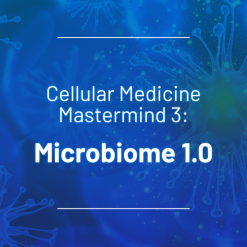
SSRP Mastermind 3: Microbiome 1.0
Advanced Cellular Medicine Approach to Gut Health
The SSRP Mastermind 3: Microbiome 1.0 is an advanced clinical training program focused on the powerful role of the human microbiome in systemic health, immune regulation, inflammation, metabolism, and chronic disease.
Developed within the Seeds Scientific Research & Performance (SSRP) cellular medicine framework, this course teaches clinicians how to evaluate microbiome dysfunction and apply targeted therapeutic strategies to optimize gut health and improve overall patient outcomes.
The program goes beyond conventional digestive health discussions by positioning the microbiome as a central regulator of:
- Immune function
- Inflammatory signaling
- Metabolic balance
- Cardiovascular health
- Pulmonary health
- Neurological function
- Systemic resilience
Through mechanism-based education and clinically oriented frameworks, participants learn how gut dysbiosis can contribute to multi-system disease and how individualized interventions may help restore physiological balance.
📦 Product Details
- 🎥 8 Video Lessons
- ⏱️ Duration: 10+ Hours of Content
- 📚 Modules: 2 Modules
- 🎓 Lessons: 8
- 🌐 Access: On-demand
- 🧠 Level: Advanced Clinical Training
🧬 Program Overview
Modern medicine increasingly recognizes the microbiome as one of the most influential systems affecting human physiology and chronic disease risk.
The SSRP Mastermind 3 course examines how disturbances in microbial balance — commonly referred to as dysbiosis — may contribute to:
- Chronic inflammation
- Immune dysregulation
- Metabolic disease
- Cardiovascular dysfunction
- Pulmonary disease
- Gastrointestinal disorders
- Reduced resilience and recovery
The program integrates:
✔️ Cellular medicine principles
✔️ Gut–immune interactions
✔️ Metabolic signaling pathways
✔️ Nutritional therapeutics
✔️ Personalized medicine strategies
A major emphasis is placed on translating complex microbiome science into practical clinical reasoning and patient management frameworks.
🎯 Learning Objectives
After completing this course, participants will be able to:
✔️ Understand the structure and function of the human microbiome
✔️ Analyze dysbiosis and its relationship to chronic disease
✔️ Evaluate microbiome influence on immune regulation and inflammation
✔️ Apply cellular medicine strategies to restore microbial balance
✔️ Interpret stool biomarkers and clinical indicators of gut dysfunction
✔️ Develop personalized therapeutic protocols for microbiome-related disorders
✔️ Integrate nutrition and targeted supplementation into patient care
✔️ Use longitudinal monitoring concepts for ongoing microbiome optimization
🦠 Microbiome Fundamentals
The course begins with a foundational review of the microbiome and its role in human physiology.
Topics include:
- Gut microbial composition
- Microbial diversity and balance
- Host–microbe interactions
- Obligatory vs facultative anaerobes
- Intestinal ecology and resilience
Participants learn how shifts in microbial populations may influence:
✔️ Digestion
✔️ Nutrient absorption
✔️ Immune function
✔️ Inflammatory signaling
✔️ Systemic metabolic health
The course emphasizes understanding the microbiome as a dynamic ecosystem rather than a simple collection of bacteria.
⚙️ Cellular & Metabolic Pathways
A core section of the program explores the biochemical and metabolic pathways linking the microbiome to cellular health.
Topics include:
- Short-chain fatty acids (SCFAs) such as butyrate
- Gut-derived energy metabolism
- Tryptophan metabolism pathways
- Microbial signaling molecules
- Metabolic communication between gut and host tissues
Faculty discuss how microbiome-derived metabolites influence:
- Mitochondrial function
- Cellular energy production
- Inflammatory regulation
- Immune signaling pathways
This systems-based approach helps clinicians understand the microbiome’s role in overall physiological performance and disease development.
🛡️ Gut–Immune Axis & Inflammation
A major emphasis of the course is the relationship between the microbiome and immune regulation.
Topics include:
- Intestinal barrier integrity
- Leaky gut physiology
- Immune activation pathways
- Cytokine signaling
- AHR–IL-22 mucosal defense pathway
- Chronic inflammatory responses
Participants learn how microbiome imbalance may contribute to:
✔️ Autoimmune dysfunction
✔️ Chronic inflammatory disease
✔️ Increased systemic inflammatory burden
✔️ Altered immune tolerance
The course highlights the importance of preserving gut barrier function and immune homeostasis in long-term health optimization.
⚠️ Dysbiosis & Chronic Disease
The program reviews the growing evidence linking microbiome dysfunction to systemic disease.
Topics include:
- Cardiovascular disease
- Pulmonary disease
- Metabolic dysfunction
- Obesity and insulin resistance
- Chronic inflammatory syndromes
- Gastrointestinal disorders
Faculty discuss how chronic dysbiosis may influence:
✔️ Systemic inflammation
✔️ Oxidative stress
✔️ Endothelial dysfunction
✔️ Metabolic signaling abnormalities
Participants gain practical insight into identifying microbiome-related contributors to complex chronic conditions.
💊 Clinical Application & Therapeutic Strategies
One of the most clinically relevant portions of the course focuses on practical patient management strategies.
Topics include:
- Nutritional interventions
- Targeted supplementation
- Gut restoration protocols
- Personalized microbiome optimization
- Monitoring treatment response
- Longitudinal patient care strategies
The course emphasizes individualized treatment frameworks rather than rigid protocols, helping clinicians tailor interventions to patient-specific physiology and clinical presentation.
🧠 Learning Approach
The educational structure of the course includes:
✔️ Mechanism-based teaching
✔️ Clinical reasoning models
✔️ Systems biology integration
✔️ Practical therapeutic application
✔️ Longitudinal monitoring concepts
This approach is designed to help clinicians move beyond symptom-based treatment toward precision, personalized medicine strategies.
👨⚕️ Who This Course Is For
This program is ideal for:
- Integrative medicine physicians
- Functional medicine practitioners
- Gastroenterologists
- Cardiologists
- Pulmonologists
- Internal medicine physicians
- Researchers and advanced healthcare practitioners
It is particularly valuable for clinicians interested in:
✔️ Gut health optimization
✔️ Precision medicine
✔️ Chronic disease prevention
✔️ Immune modulation
✔️ Systems-based clinical care
⭐ Why This Course Stands Out
✔️ Microbiome-Centered Systems Medicine
Explores the microbiome as a foundational driver of overall health and disease.
✔️ Integrates Science + Clinical Application
Combines advanced mechanistic biology with practical therapeutic frameworks.
✔️ Strong Focus on Real-World Outcomes
Emphasizes patient-centered management strategies and individualized protocols.
✔️ Advanced Cellular Medicine Perspective
Links microbiome function with metabolism, immunity, inflammation, and chronic disease.
✔️ Personalized Medicine Framework
Supports precision approaches to gut health optimization and systemic wellness.
🚀 Clinical Value
The SSRP Mastermind 3: Microbiome 1.0 course provides clinicians with an advanced understanding of how the gut microbiome influences nearly every major physiological system.
By integrating:
- Microbial ecology
- Immune signaling
- Cellular metabolism
- Nutritional therapeutics
- Inflammatory regulation
- Personalized medicine strategies
the course offers a modern, clinically relevant framework for managing complex chronic disease through microbiome optimization.
For clinicians seeking advanced education in gut health, systems biology, and cellular medicine, this program represents a comprehensive and highly practical resource.