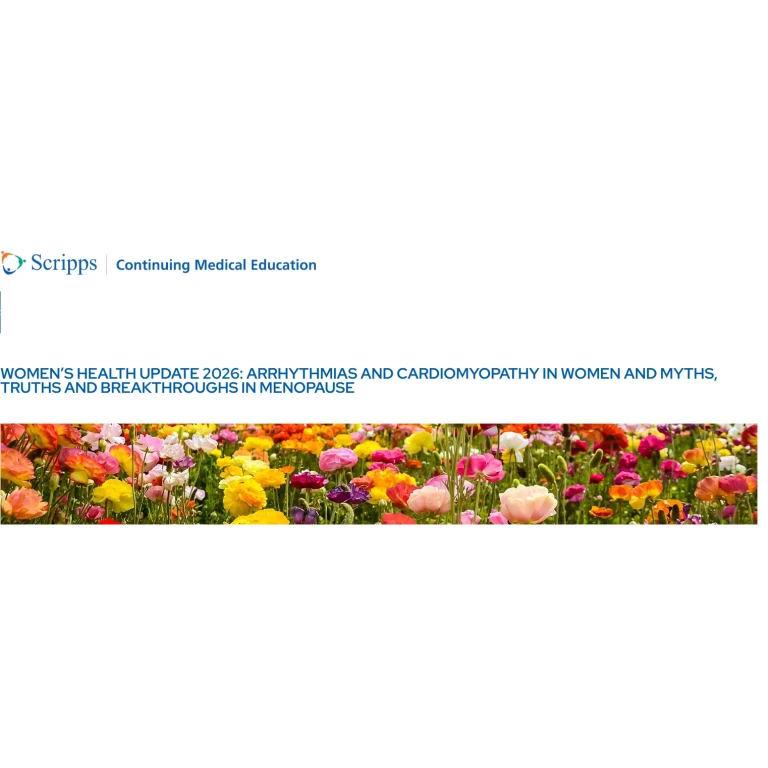
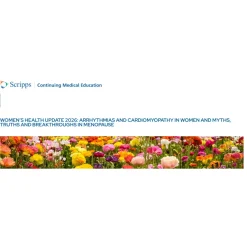
Scripps Conference Arrhythmias and Cardiomyopathy in Women Symposium 2026
Advanced Women’s Cardiovascular Medicine & Cardio-Electrophysiology Update
The Scripps Conference Arrhythmias and Cardiomyopathy in Women Symposium 2026 is a specialized cardiovascular medicine program dedicated to the recognition, prevention, diagnosis, and treatment of heart disease uniquely affecting women.
This clinically focused symposium delivers evidence-based updates on:
- Cardiac arrhythmias in women
- Cardiomyopathy and heart failure
- Sex-specific cardiovascular risk factors
- Pregnancy-related cardiac conditions
- Menopause and hormone-related cardiovascular changes
- Microvascular disease and endothelial dysfunction
- Cardio-oncology in breast cancer survivors
- Preventive cardiology and lipid management
Held on February 28, 2026 at the Westin Carlsbad Resort & Spa in Carlsbad, California, the conference highlights gender disparities in cardiovascular diagnosis and treatment while providing practical strategies to improve outcomes for women with cardiovascular disease.
The program emphasizes modern, guideline-based management and emerging therapies for women across the spectrum of cardiovascular care.
📦 Product Details
- 🎥 Video Recordings Only
- 📅 Course Date: February 28, 2026
- 📍 Location: Carlsbad, California, USA
- 🌐 Access: On-demand
- 🧠 Level: Intermediate to Advanced Cardiovascular Education
🫀 Program Overview
Cardiovascular disease remains one of the leading causes of morbidity and mortality in women, yet significant gaps persist in diagnosis, treatment, and preventive care.
The Arrhythmias and Cardiomyopathy in Women Symposium 2026 focuses on:
✔️ Sex-specific cardiovascular disease patterns
✔️ Atypical presentations of heart disease in women
✔️ Under-recognition of arrhythmias and cardiomyopathies
✔️ Preventive cardiology updates
✔️ Heart failure management in women
✔️ Hormonal and reproductive cardiovascular influences
✔️ Advanced risk reduction strategies
Faculty review the latest clinical evidence and practical approaches to managing cardiovascular disease in women, with special attention to disparities in care and evolving therapeutic options.
🎯 Educational Objectives
After completing this activity, participants will be able to:
✔️ Discuss cardiovascular conditions and risk factors more common or unique to women
✔️ Recognize atypical presentations of heart disease and arrhythmias in women
✔️ Analyze disparities in guideline-based cardiovascular therapy utilization
✔️ Assess newer lipid-lowering agents and obesity medications for cardiovascular risk reduction
✔️ Examine diagnosis and management of congestive heart failure in women
✔️ Understand menopause-related cardiovascular risk changes and hormone replacement therapy considerations
✔️ Describe management of cardiovascular disease in high-risk pregnancy
✔️ Recognize microvascular disease and endothelial dysfunction in women with angina
✔️ Evaluate cardio-oncology challenges in breast cancer patients and survivors
❤️ Arrhythmias & Cardiovascular Disease in Women
A major focus of the symposium is the recognition and treatment of arrhythmias in female patients.
Topics include:
- Gender differences in arrhythmia presentation
- Sex-specific electrophysiology considerations
- Diagnosis of atypical symptoms
- Treatment disparities between women and men
- Advanced rhythm management strategies
Faculty discuss how women frequently present with:
✔️ Delayed diagnosis
✔️ Non-classic symptoms
✔️ Under-treatment with device therapies
✔️ Different medication responses and risk profiles
The course highlights strategies to improve diagnostic accuracy and optimize evidence-based arrhythmia management.
🫀 Cardiomyopathy & Heart Failure in Women
The symposium also explores unique aspects of heart failure and cardiomyopathy in female patients.
Topics include:
- Congestive heart failure in women
- Cardiomyopathy diagnosis and management
- Sex-specific heart failure risk factors
- Advanced treatment strategies
- Prevention and early detection approaches
Faculty review:
✔️ Differences in disease progression
✔️ Diagnostic challenges
✔️ Hormonal influences on cardiovascular disease
✔️ Guideline-based therapy optimization
The program emphasizes improving outcomes through earlier recognition and individualized treatment approaches.
⚠️ Prevention, Lipids & Obesity Medicine
Preventive cardiology is another major component of the conference.
Sessions review:
- Cardiovascular risk reduction strategies
- Novel lipid-lowering therapies
- Obesity medications and cardiovascular outcomes
- Primary and secondary prevention approaches
Faculty discuss the growing role of:
✔️ GLP-1 receptor agonists
✔️ Modern lipid therapies
✔️ Weight management strategies
✔️ Personalized cardiovascular prevention plans
These sessions provide practical updates for integrating emerging therapies into cardiovascular care.
🌸 Menopause, Hormones & Women’s Heart Health
The symposium explores the cardiovascular effects of menopause and hormonal transitions.
Topics include:
- Menopause-related cardiovascular risk
- Hormone replacement therapy (HRT)
- Endothelial dysfunction
- Vascular aging in women
Faculty review:
✔️ Current evidence on HRT and cardiovascular risk
✔️ Risk stratification strategies
✔️ Individualized treatment decision-making
✔️ Preventive counseling approaches
These discussions help clinicians better understand the relationship between hormonal changes and cardiovascular disease progression.
🤰 Pregnancy & High-Risk Cardiovascular Conditions
Specialized sessions address cardiovascular disease management during pregnancy.
Topics include:
- High-risk pregnancy cardiovascular management
- Arrhythmias during pregnancy
- Cardiomyopathy in pregnancy
- Maternal cardiovascular complications
Faculty discuss:
✔️ Pregnancy-related hemodynamic changes
✔️ Risk assessment and monitoring
✔️ Safe therapeutic approaches
✔️ Multidisciplinary management strategies
The program highlights the importance of coordinated maternal cardiovascular care.
🔬 Microvascular Disease & Endothelial Dysfunction
The conference also focuses on often under-recognized causes of angina and ischemia in women.
Topics include:
- Coronary microvascular dysfunction
- Endothelial dysfunction
- Non-obstructive coronary disease
- Ischemia with atypical presentations
Faculty explain how many women experience:
✔️ Angina without obstructive coronary disease
✔️ Diagnostic delays
✔️ Misclassification of symptoms
✔️ Persistent cardiovascular risk despite “normal” angiography
The symposium reviews modern diagnostic and treatment approaches for these complex conditions.
🎗️ Cardio-Oncology & Breast Cancer Survivorship
An important section of the course addresses cardiovascular complications related to cancer therapy.
Topics include:
- Cardio-oncology in breast cancer
- Cardiovascular effects of chemotherapy
- Long-term survivorship care
- Monitoring and prevention strategies
Faculty discuss:
✔️ Cardiotoxicity recognition
✔️ Surveillance protocols
✔️ Prevention of long-term cardiac complications
✔️ Collaborative oncology-cardiology care models
These sessions are increasingly relevant as cancer survivorship continues to improve.
⭐ Why This Course Stands Out
✔️ Women-Focused Cardiovascular Education
Dedicated specifically to cardiovascular disease in women.
✔️ Strong Preventive Cardiology Emphasis
Covers modern lipid management, obesity medicine, and risk reduction.
✔️ Advanced Heart Failure & Arrhythmia Updates
Focuses on practical management of cardiomyopathy and rhythm disorders.
✔️ Hormonal & Reproductive Cardiovascular Insights
Includes menopause, pregnancy, and hormone-related cardiovascular care.
✔️ Multidisciplinary Clinical Perspective
Integrates cardiology, electrophysiology, women’s health, and preventive medicine.
🚀 Clinical Value
The Scripps Arrhythmias and Cardiomyopathy in Women Symposium 2026 provides a comprehensive update on modern cardiovascular care tailored specifically to women.
By integrating:
- Arrhythmia management
- Cardiomyopathy and heart failure care
- Preventive cardiology
- Pregnancy-related cardiovascular medicine
- Hormonal cardiovascular health
- Microvascular disease recognition
- Cardio-oncology principles
the symposium equips clinicians with practical strategies to improve cardiovascular outcomes for women across diverse clinical settings.
This course is an outstanding educational resource for healthcare professionals seeking advanced updates in women’s cardiovascular medicine and preventive cardiology for 2026.