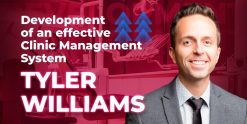
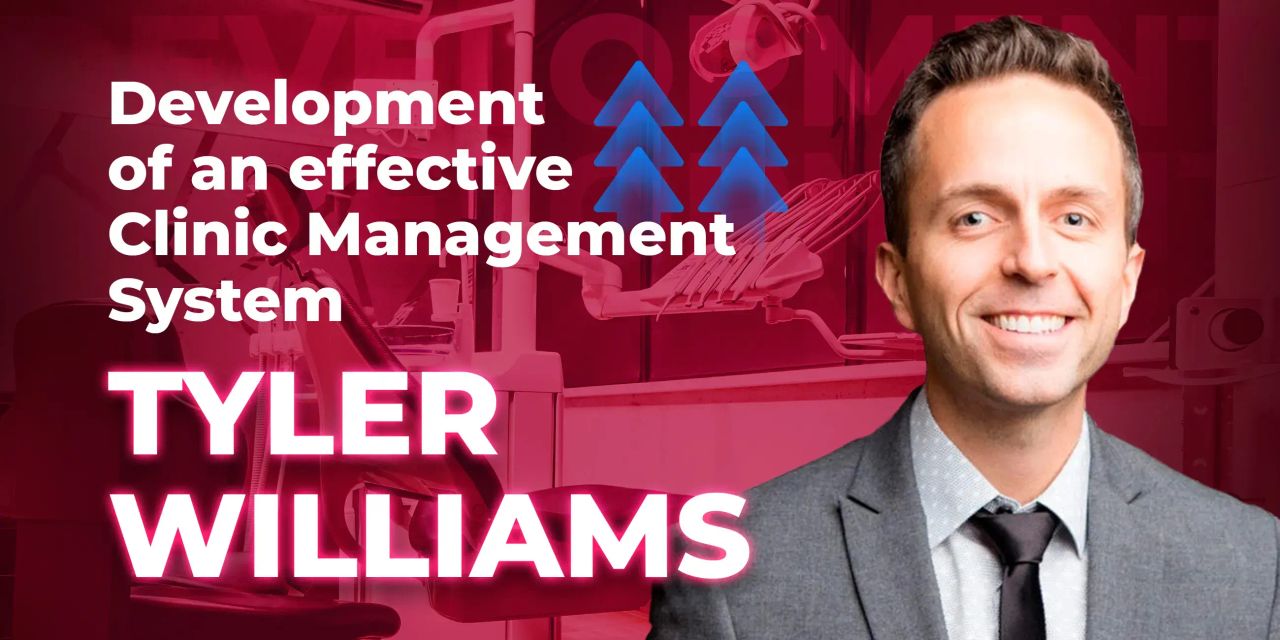
OHI-S Development of an Effective Clinic Management System
Advanced Dental Practice Management, Leadership & Patient Growth Strategies
Running a successful dental clinic today requires far more than clinical expertise alone. Modern dental practices must navigate operational efficiency, patient retention, leadership development, financial sustainability, team accountability, and digital workflow integration—all while maintaining a high standard of patient care. The OHI-S Development of an Effective Clinic Management System course provides a structured approach to building a scalable, organized, and financially healthy dental practice through practical management systems and real-world operational strategies.
Developed for dentists, clinic owners, and dental administrators, the program focuses on transforming day-to-day dental operations into a predictable and system-driven workflow capable of improving productivity, team coordination, patient satisfaction, and long-term business growth.
This educational package includes:
- 9 Videos
- 9 Audio Files
- 9 Subtitle Files (.vtt)
- Total Size: 2.23 GB
- Course Runtime: Approximately 3 Hours 53 Minutes
Rather than focusing solely on theoretical business concepts, the course repeatedly emphasizes practical implementation strategies that can be integrated into real dental office environments immediately.
Why Dental Practice Management Has Become Increasingly Complex
Modern dentistry operates in an environment shaped by:
- Rising patient expectations
- Competitive private practice markets
- Digital communication demands
- Team management challenges
- Insurance and financial pressures
- Operational inefficiencies
- Staff retention difficulties
- Increasing specialization
Many dentists receive extensive clinical education but relatively little formal training in leadership, workflow systems, financial administration, or organizational management.
As a result, even technically excellent practices may struggle with:
- Scheduling inefficiencies
- Poor case acceptance
- Team inconsistency
- Communication breakdowns
- Declining patient retention
- Limited scalability
The OHI-S program approaches these problems through structured operational systems rather than isolated business “tips.”
Building a System-Driven Dental Practice
One of the central themes throughout the course is that successful clinics rely on repeatable systems rather than constant crisis management.
The lectures explore:
- Workflow standardization
- Role delegation
- Accountability structures
- Productivity tracking
- Team communication systems
- Patient management protocols
The course repeatedly emphasizes that predictable systems reduce:
- Staff confusion
- Administrative errors
- Patient dissatisfaction
- Financial inconsistency
In practice, many operational failures in dental offices occur not because of poor clinical work, but because responsibilities and expectations are insufficiently defined.
Leadership, Team Dynamics & Accountability
A major portion of the course focuses on leadership development within dental teams.
Topics include:
- Team role assignment
- Leadership philosophy
- Accountability systems
- Performance measurement
- Staff motivation
- Productivity optimization
- Problem-solving within teams
The program explores concepts such as:
- The Dunning-Kruger effect
- Team member growth ladders
- Productive versus nonproductive workflows
- Performance-based evaluation
One recurring challenge in dental office management involves balancing clinical autonomy with standardized operational structure.
The course emphasizes that accountability systems should not function as punitive tools, but rather as mechanisms for improving communication, consistency, and shared responsibility.
Patient Retention & Loyalty Systems
Patient retention remains one of the most financially important aspects of long-term dental practice success.
The course reviews:
- Recall systems
- Patient communication workflows
- Membership plans
- Recare scheduling
- Newsletters and digital outreach
- Long-term patient engagement strategies
Several sessions explore how practices can strengthen patient loyalty through:
- Structured communication
- Clear treatment education
- Personalized follow-up systems
- Consistent patient experience design
The “oral health map” concept presented in the course emphasizes longitudinal patient relationships rather than isolated treatment episodes.
Communication & Treatment Acceptance
Treatment acceptance is discussed extensively throughout the program.
Topics include:
- Hard versus soft case presentation
- Emotional communication strategies
- Patient motivation
- Explaining treatment necessity
- Overcoming treatment delay
- Building trust during consultations
In practice, patients frequently decline treatment not because they do not need care, but because:
- Communication lacks clarity
- Financial concerns are unaddressed
- Emotional hesitation remains unresolved
- The perceived value of treatment is unclear
The course appropriately highlights the importance of communication psychology within dental case acceptance.
Hygiene Production & Preventive Dentistry Systems
The course also examines how hygiene departments influence overall practice performance.
Topics include:
- Hygiene production growth
- Recare optimization
- Enhanced versus basic preventive care
- Preventive scheduling systems
- Membership-based prevention programs
Many practices underestimate the role of hygiene systems in:
- Long-term patient retention
- Early disease detection
- Revenue consistency
- Patient education
The lectures repeatedly frame preventive dentistry as both a clinical and operational cornerstone of sustainable practice growth.
Membership Models & Financial Strategy
Several sessions focus on membership systems and financial management concepts.
Topics include:
- Membership plan implementation
- Discounting strategies
- ROI analysis
- Patient lifetime value
- Revenue optimization
- Financial tracking systems
The course critically examines common mistakes practices make when implementing in-house membership plans, including:
- Poor communication
- Excessive discounting
- Weak branding
- Lack of operational integration
One recurring message is that financial systems should support long-term patient relationships rather than short-term transactional growth alone.
Customer Service & Patient Experience
The patient experience discussions address:
- Front desk communication
- Checkout workflows
- Emotional connection building
- Problem patient management
- Customer service philosophy
In highly competitive dental markets, patient experience increasingly influences:
- Online reputation
- Referral generation
- Retention rates
- Practice growth sustainability
The course emphasizes that operational excellence and customer service are closely interconnected.
Real-World Practical Relevance
One of the strongest aspects of the program is its operational practicality.
The course repeatedly focuses on:
- Day-to-day clinic efficiency
- Workflow bottlenecks
- Team communication problems
- Financial monitoring
- Scheduling systems
- Accountability gaps
- Patient communication errors
Rather than presenting unrealistic business theory, the material remains grounded in common operational challenges encountered in real dental offices.
Who Benefits Most From This Course
This program is highly relevant for:
- General dentists
- Orthodontists
- Prosthodontists
- Implantologists
- Periodontists
- Endodontists
- Pediatric dentists
- Oral and maxillofacial surgeons
- Dental practice owners
- Clinic administrators
- Dental office managers
- Dental support teams
It is especially useful for clinicians transitioning from purely clinical roles into leadership and practice management responsibilities.
What’s Included
- 9 video lessons
- 9 audio files
- 9 subtitle files (.vtt)
- Total size: 2.23 GB
- Dental leadership and workflow systems
- Patient communication and loyalty strategies
- Membership and financial management discussions
- Team productivity and accountability training
Final Expert Perspective
Modern dental practice management increasingly requires a systems-based approach that integrates leadership, operational efficiency, patient communication, financial planning, and preventive care strategy. Clinical excellence alone is rarely sufficient to sustain long-term practice growth without strong organizational infrastructure.
The OHI-S Development of an Effective Clinic Management System course provides a practical and highly applicable framework for dentists and clinic leaders seeking to improve workflow efficiency, strengthen team dynamics, increase patient retention, and build a more predictable and scalable dental business. By focusing on real-world operational systems rather than abstract business theory, the program offers valuable insight into the everyday realities of running a successful modern dental practice.