
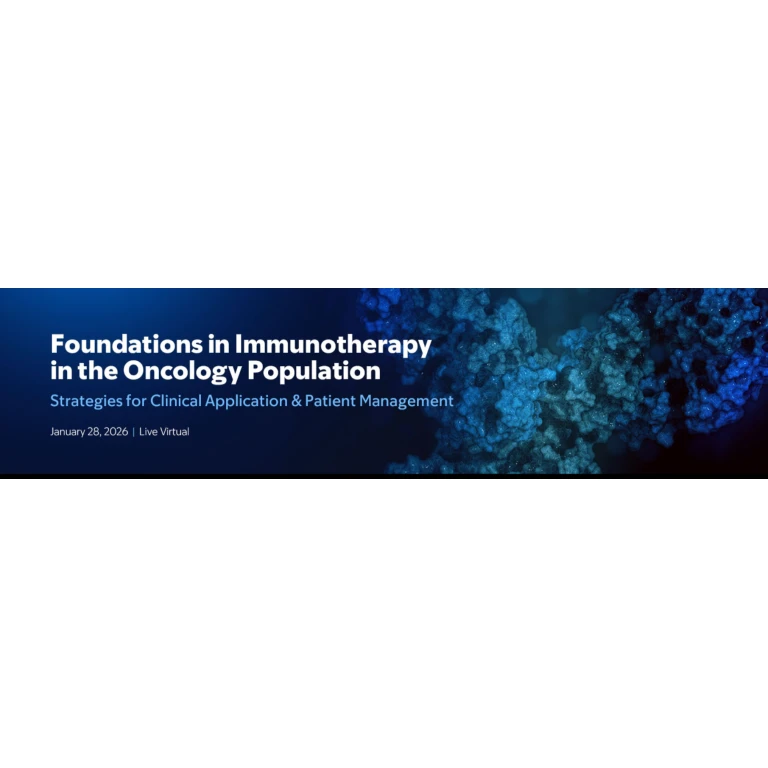
MSKCC Foundations in Immunotherapy in the Oncology Population 2026
$35.00
This Product is shared via google drive download link, So please share your correct Gmail id while placing the order .Please note that there are no CME points or certificate associated with this course Samples for Courses Can be found here: Free Samples Here!

MSKCC Foundations in Immunotherapy in the Oncology Population 2026
Comprehensive Immuno-Oncology Course
📌 Overview
The Memorial Sloan Kettering Cancer Center Foundations in Immunotherapy in the Oncology Population 2026 is a high-impact, evidence-based course focused on modern cancer immunotherapy and its clinical applications.
Delivered by experts from Memorial Sloan Kettering Cancer Center, this program provides a deep dive into checkpoint inhibitors, CAR T-cell therapy, and emerging immunotherapy strategies, with a strong emphasis on real-world toxicity management and patient outcomes .
📦 Course Details
- 🎥 23 Video Lectures (.mp4)
- 📝 23 Subtitles (.vtt)
- 📄 20 PDF Slides
- 💾 Total Size: 4.97 GB
- 📅 Date: January 28, 2026 (Online CME Program)
🎯 Target Audience
- Oncologists (medical, hematologic, solid tumor)
- Immunotherapy specialists
- Nurse practitioners & physician assistants
- Hospitalists and oncology care teams
🧠 What You’ll Learn
🧬 Core Immunotherapy Principles
- Immune system fundamentals (innate vs adaptive)
- Mechanisms of action of checkpoint inhibitors
- Key targets: PD-1, PD-L1, CTLA-4
🎯 Advanced Immunotherapy Modalities
- CAR T-cell therapy
- Bispecific antibodies (BiTEs)
- Tumor-infiltrating lymphocytes (TILs)
- Novel immune agonists
🧪 Clinical Applications Across Cancers
- Solid tumors (lung, breast, bladder, melanoma)
- Hematologic malignancies (leukemia, lymphoma, myeloma)
- Personalized treatment strategies
⚠️ Toxicity & Adverse Event Management
- Immune-related adverse events (irAEs)
- Cytokine release syndrome (CRS)
- Neurotoxicity (ICANS)
- Dermatologic and pulmonary toxicities
🧠 Precision Oncology & Biomarkers
- cfDNA and predictive biomarkers
- Patient selection and risk stratification
- Treatment response monitoring
🔬 Emerging Innovations
- Combination immunotherapy strategies
- Next-generation checkpoint inhibitors
- Expanding indications across tumor types
🎓 Learning Objectives
By completing this course, participants will be able to:
- Understand core mechanisms of cancer immunotherapy
- Apply immunotherapy strategies in clinical oncology
- Differentiate between various immunotherapeutic agents
- Manage toxicities and complications effectively
- Integrate CAR T-cell therapy into clinical practice
📚 Key Topics Included
- Mechanism of checkpoint blockade (PD-1 / PD-L1 / CTLA-4)
- CAR T-cell therapy and toxicity management
- Immunotherapy in leukemia, lymphoma, and solid tumors
- Pneumonitis and dermatologic toxicity management
- Small cell lung cancer innovations
- Bladder, breast, and GI cancer immunotherapy
- Bispecific antibodies in multiple myeloma
- Synovial sarcoma and T-cell therapies
- CRS, ICANS, and cytopenias
- Case-based Q&A discussions
⭐ Why This Course Stands Out
- ✔️ From world-leading cancer center (MSKCC)
- ✔️ Covers both fundamentals + cutting-edge therapies
- ✔️ Strong focus on real clinical toxicity management
- ✔️ Case-based learning with practical insights
- ✔️ Relevant for daily oncology practice
🚀 Clinical Value
This course is essential for clinicians who want to:
- Stay updated with rapidly evolving immunotherapy landscape
- Improve patient selection and treatment outcomes
- Reduce complications through early toxicity recognition
- Apply precision oncology approaches in practice
4. Topics
-
Advancing CAR T-Cell Strategies and Combination Therapies to Improve Outcomes in Gynecologic Malignancies
-
Advancing Leukemia Care Through Immuno-Oncology
-
Approaches to Immunotherapy-related Pneumonitis Management
-
Breast Oncology- Using cfDNA to Forecast Immunotherapy Treatment Outcomes
-
Checkpoint Inhibition as a Therapeutic Approach in Advanced Hodgkin Lymphoma
-
Clinical Approaches to Dermatologic Toxicity in Checkpoint Inhibitor Therapy
-
Discussion of Novel Checkpoint Inhibitors and Combination Therapy
-
Dostarlimab in MSI-High Gastrointestinal Cancers- Latest Data, Expansion Cohorts, and Basket Trial Insights
-
Evolving Treatment Paradigms- Immunotherapy in Advanced Bladder Cancer
-
IL-2-Stimulating Agents from Early Drug Development
-
Innovations in Small Cell Lung Cancer- DLL3 Agents and Adjuvant Durvalumab
-
Intrathecal Immunotherapy- A Novel Path in Treating Leptomeningeal Disease no video
-
Mechanism of Action of Checkpoint Blockade PD1, PDL1, CTLA-4
-
Melanoma Subtypes are a Microcosm for Immune Checkpoint Blockade Efficacy Across Oncology-
-
Neurotoxicity in CAR T-Cell Therapy- Recognition and Management
-
Overview of Adverse Events in the Cell Therapy Patient- A Discussion of CRS, ICANS, and Prolonged Cytopenias
-
Q&A and Discussion – 01
-
Q&A and Discussion – 02
-
Q&A and Discussion – 03
-
Q&A and Discussion – 04
-
Q&A and Discussion
-
Targeting Multiple Myeloma with Bispecific Immune-Modulating Agents
-
The Role of T-Cell Therapy in Standard Care for Synovial Sarcoma
-
Understanding Chimeric Antigen Receptor (CAR) T-Cell Therapy
Related products
Nephrology / Urology

Hematology / Oncology
Internal Medicine
Introduction to Adult EM Bootcamp + The Practice of Emergency Medicine (Hippo) 2020
Hematology / Oncology
Hematology / Oncology
USCAP THORAX DECONSTRUCTED Experts Guide to What Can Go Wrong Inside the Chest 2023
Hematology / Oncology
Critical Care - Emergency medicine
Hematology / Oncology