
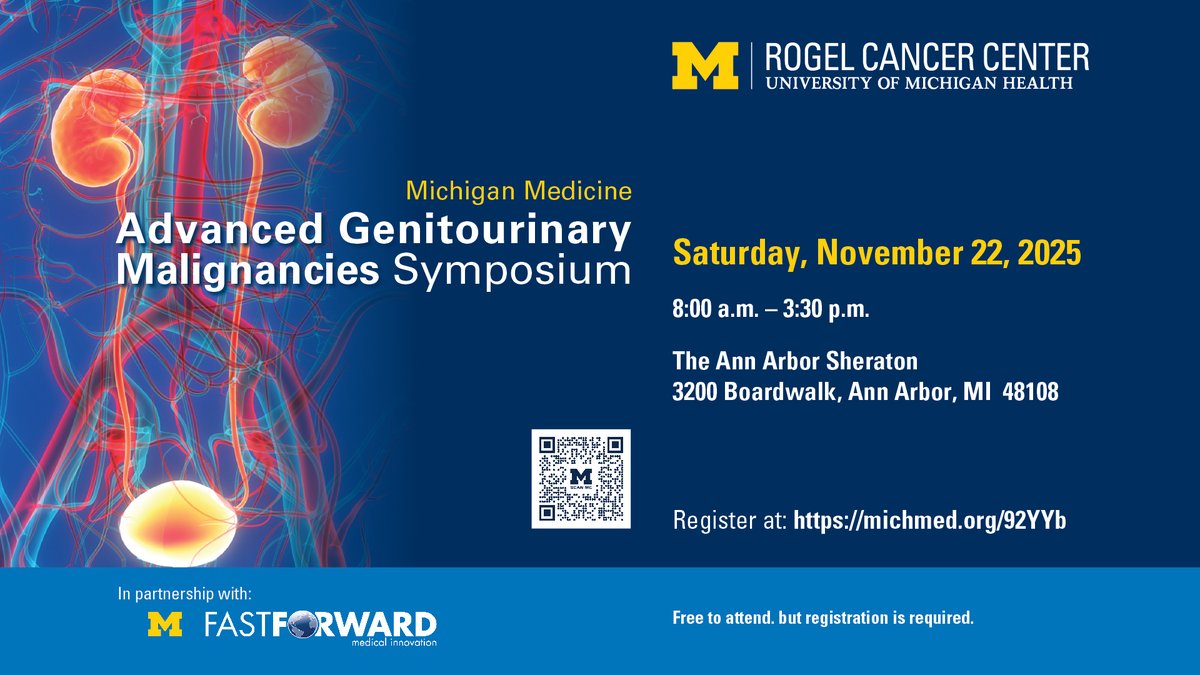
Michigan Medicine Advanced Genitourinary Malignancies Symposium 2025

$25.00
This Product is shared via google drive download link, So please share your correct Gmail id while placing the order .Please note that there are no CME points or certificate associated with this course Samples for Courses Can be found here : Free Samples Here<
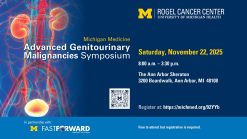

Michigan Medicine Advanced Genitourinary Malignancies Symposium 2025
Advanced Precision Oncology for Prostate, Bladder & Kidney Cancer Management
The Michigan Medicine Advanced Genitourinary Malignancies Symposium 2025 provides an in-depth clinical update on the rapidly evolving treatment landscape of prostate cancer, bladder cancer, and renal cell carcinoma. Hosted by the NCI-designated Rogel Cancer Center at the University of Michigan, this highly specialized symposium focuses on integrating precision oncology, molecular diagnostics, advanced imaging, immunotherapy, and targeted therapeutics into modern genitourinary cancer care.
As GU oncology continues shifting toward increasingly individualized treatment strategies, clinicians now face complex decisions involving:
- Molecular imaging interpretation
- Biomarker-guided therapy
- Antibody-drug conjugates (ADCs)
- Circulating tumor DNA (ctDNA)
- Immunotherapy sequencing
- Radioligand therapy
- Precision genomic testing
- Oligometastatic disease management
This symposium addresses those challenges through expert-led discussions that bridge cutting-edge clinical research with practical real-world oncology decision-making.
Course Details
- 18 Video Lectures
- 18 Audio Recordings
- 18 Subtitle Files (.vtt)
- 19 Downloadable PDFs
- Total Size: 5.16 GB
- Event Date: November 22, 2025
- Location: Sheraton Ann Arbor, Michigan
Precision Oncology Is Reshaping GU Cancer Care
One of the strongest themes throughout the symposium is the ongoing transformation of genitourinary oncology into a precision-driven specialty.
Historically, treatment algorithms for prostate, bladder, and kidney cancer relied primarily on:
- Tumor stage
- Histology
- Surgical resectability
- Conventional imaging findings
Today, treatment planning increasingly incorporates:
- PSMA PET imaging
- ctDNA assessment
- Germline testing
- Next-generation sequencing (NGS)
- Molecular risk stratification
- Biomarker-guided systemic therapy
The symposium repeatedly highlights how these technologies are redefining traditional disease categories, particularly the distinction between “localized” and “metastatic” disease.
Bladder Cancer: Immunotherapy, ctDNA & ADC Evolution
The bladder cancer sessions focus heavily on the integration of immunotherapy and emerging biomarker strategies in muscle-invasive and advanced disease.
Topics include:
- Immunotherapy for localized bladder cancer
- ctDNA in MIBC risk stratification
- ADC sequencing strategies
- Toxicity management
- Personalized treatment approaches
The ctDNA discussions are especially relevant as circulating tumor DNA increasingly emerges as a tool for:
- Minimal residual disease detection
- Recurrence prediction
- Adjuvant therapy selection
- Risk-adapted treatment escalation
Many oncologists now face difficult decisions regarding which patients truly require intensified systemic therapy after local treatment.
The symposium appropriately explores both the promise and current limitations of ctDNA-guided management in bladder oncology.
Antibody-Drug Conjugates in Bladder Cancer
The ADC-focused lectures move beyond broad overviews and instead examine the nuanced clinical realities of using these therapies in practice.
Topics include:
- Treatment sequencing
- Toxicity recognition
- Patient selection
- Resistance mechanisms
- Combination therapy strategies
As bladder cancer treatment becomes increasingly crowded with:
- Checkpoint inhibitors
- Targeted agents
- ADCs
- Chemotherapy combinations
therapeutic sequencing has become one of the most complicated areas in GU oncology.
The symposium emphasizes that successful ADC use requires understanding not only efficacy, but also:
- Toxicity timing
- Functional status considerations
- Prior treatment exposure
- Real-world tolerability
Renal Cell Carcinoma & the Expanding Role of Local Therapy
The renal cell carcinoma sessions explore evolving concepts in metastatic RCC management.
Topics include:
- SBRT for RCC
- Adjuvant immunotherapy
- Bulky primary tumors in metastatic disease
- Local versus systemic treatment balance
- Patient selection for IO therapy
Historically, RCC management relied heavily on systemic approaches once metastatic disease developed. However, advances in stereotactic radiotherapy and immunotherapy have reopened discussions regarding:
- Cytoreductive strategies
- Oligometastatic disease control
- Local therapy integration
- Timing of systemic treatment initiation
The symposium highlights how multidisciplinary decision-making is increasingly required for advanced RCC management.
Prostate Cancer & the PSMA PET Era
A major portion of the course focuses on the rapidly changing role of advanced molecular imaging in prostate cancer.
Topics include:
- PSMA PET interpretation
- Biochemical recurrence imaging
- Oligometastatic disease
- Nodal PSMA avidity
- Imaging selection strategies
One recurring challenge in prostate oncology involves managing “in-between” disease states identified through highly sensitive PSMA imaging.
Patients previously considered localized may now demonstrate:
- Small nodal metastases
- Limited metastatic burden
- Early systemic spread
- Biologically heterogeneous disease patterns
The symposium appropriately emphasizes that more sensitive imaging often creates more complex clinical questions rather than simpler answers.
Low-Volume Metastatic Castrate-Sensitive Prostate Cancer
The sessions on low-volume metastatic castrate-sensitive prostate cancer (mCSPC) examine:
- Radiation timing
- Primary tumor treatment
- Metastasis-directed therapy
- Systemic therapy duration
- Hormonal intensification strategies
Clinical management in this space increasingly requires balancing:
- Long-term disease control
- Quality of life
- Treatment toxicity
- Hormonal exposure duration
- Patient preference
The course reflects how modern prostate cancer care has shifted away from one-size-fits-all algorithms toward individualized treatment planning.
Advanced Prostate Cancer: Pluvicto vs Docetaxel
The discussions surrounding:
- Pluvicto (Lu-177 PSMA therapy)
- Docetaxel sequencing
- mCRPC treatment selection
highlight the rapidly expanding therapeutic landscape in advanced prostate oncology.
As treatment options increase, oncologists must now determine:
- Optimal sequencing strategies
- Radioligand therapy timing
- Chemotherapy candidacy
- Functional reserve considerations
- Disease biology implications
The symposium appropriately frames these decisions as highly individualized rather than protocol-driven.
Radiation Oncology Beyond Palliation
The radiation-focused sessions explore how radiotherapy is increasingly being used beyond traditional symptom control.
Topics include:
- Metastasis-directed therapy
- Oligoprogression management
- SBRT integration
- Radiation in metastatic castrate-resistant disease
These discussions reflect the growing role of precision radiation oncology in multidisciplinary GU cancer management.
Germline Testing & Next-Generation Sequencing
Precision medicine receives additional emphasis through sessions covering:
- Germline testing in prostate cancer
- Next-generation sequencing (NGS)
- Hereditary cancer syndromes
- Actionable mutations
- Genomic treatment selection
Modern GU oncology increasingly requires familiarity with:
- BRCA-associated disease
- DNA repair defects
- PARP inhibitor eligibility
- Familial cancer implications
The symposium highlights how molecular diagnostics now influence:
- Prognosis
- Clinical trial enrollment
- Therapeutic selection
- Family counseling
Multidisciplinary GU Oncology Care
A major strength of the symposium is its transdisciplinary structure.
The educational content repeatedly demonstrates how optimal GU cancer management increasingly depends on collaboration between:
- Medical oncology
- Urology
- Radiation oncology
- Molecular pathology
- Radiology
- Genetics
- Supportive oncology services
This reflects the reality that modern cancer care has become too biologically and therapeutically complex for isolated specialty management alone.
Educational Structure
The symposium combines:
- Expert-led lectures
- Clinical case discussions
- Precision oncology reviews
- Imaging interpretation sessions
- Real-world treatment debates
- Translational research integration
This approach helps clinicians apply emerging evidence directly to patient care decisions.
What’s Included
- 18 expert GU oncology video lectures
- 18 audio recordings
- 18 subtitle files (.vtt)
- 19 downloadable PDF presentations
- PSMA PET and ctDNA discussions
- Advanced immunotherapy and ADC reviews
- RCC, bladder, and prostate cancer management updates
Target Audience
This course is ideal for:
- Medical oncologists
- Urologists
- Radiation oncologists
- Internal medicine physicians
- Oncology fellows and residents
- Physician assistants in oncology
- Nurse practitioners involved in GU cancer care
- Multidisciplinary oncology teams
Why This GU Oncology Symposium Matters
Genitourinary oncology is evolving rapidly through advances in molecular imaging, ctDNA analysis, immunotherapy, ADCs, radioligand treatment, and precision genomic medicine. As these technologies redefine disease classification and therapeutic sequencing, clinicians face increasingly sophisticated management decisions across prostate, bladder, and kidney cancer care.
The Michigan Medicine Advanced Genitourinary Malignancies Symposium 2025 offers a clinically grounded and multidisciplinary review of these developments through expert-led discussions focused on practical implementation in modern oncology practice. For clinicians seeking updated guidance in precision GU oncology, this symposium provides a highly relevant educational resource centered on the future of personalized cancer care.
Related products
Critical Care - Emergency medicine
2022 UPDATES IN THERAPEUTICS: CRITICAL CARE PHARMACY PREPARATORY REVIEW AND RECERTIFICATION COURSE
Medical Accounts

Internal Medicine
Internal Medicine

Cardiology
Internal Medicine

USMLE / kaplan and Board Review
Uworld USMLE COMLEX Level 1 Qbank, Updated Jan 2023, System- and Subject-wise (PDF)

Critical Care - Emergency medicine