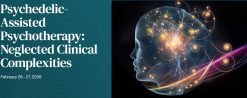
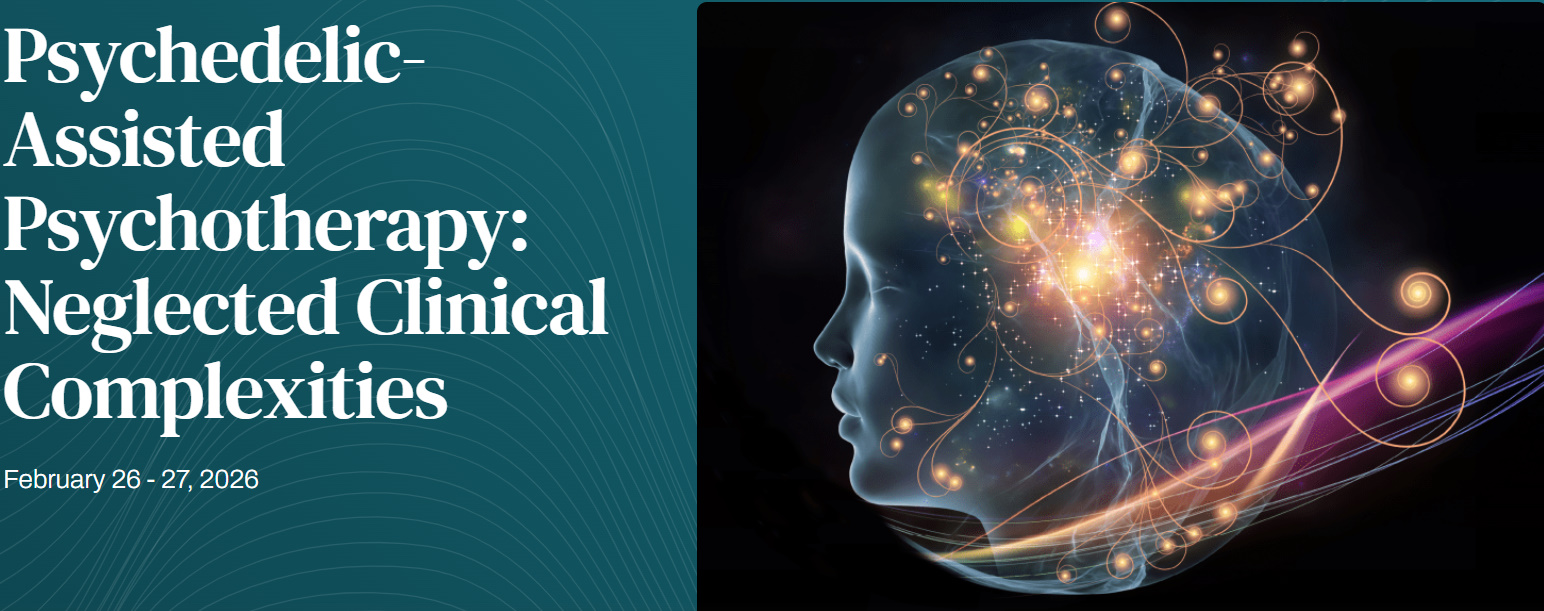
Harvard Psychedelic-Assisted Psychotherapy: Neglected Clinical Complexities 2026
Advanced Clinical & Ethical Perspectives in Psychedelic-Assisted Psychotherapy (PAP)
The Harvard Psychedelic-Assisted Psychotherapy: Neglected Clinical Complexities 2026 course is an advanced educational program from Harvard Medical School that explores the nuanced clinical, ethical, psychological, and spiritual challenges emerging in psychedelic-assisted psychotherapy (PAP).
As psychedelic therapies increasingly enter mainstream psychiatric and psychotherapeutic practice, clinicians must learn to manage experiences that extend far beyond conventional psychotherapy frameworks. This course focuses specifically on the often-overlooked complexities that arise during psychedelic treatment sessions, including:
- Altered states of consciousness
- Ego dissolution
- Spiritual and existential experiences
- Emotional destabilization
- Ethical dilemmas
- Therapist influence and bias
- Integration of difficult experiences
Held on February 26–27, 2026, this advanced conference provides expert-led, case-based learning designed to help mental health professionals safely and ethically navigate the realities of psychedelic-assisted psychotherapy in clinical practice.
📦 Product Details
- 🎥 Format: Conference Recordings (Video)
- 📅 Course Date: February 26–27, 2026
- 🌐 Access: On-demand
- 🧠 Level: Intermediate to Advanced
🧠 Program Overview
Psychedelic-assisted psychotherapy is rapidly evolving as research expands into treatments involving:
- Psilocybin
- MDMA-assisted psychotherapy
- Ketamine-assisted psychotherapy
- Other psychedelic and consciousness-altering therapies
While much educational content focuses on efficacy and basic therapeutic models, this Harvard course addresses the deeper and more clinically challenging realities of PAP.
The program explores how psychedelic states can produce:
- Intense emotional reactions
- Mystical or transpersonal experiences
- Traumatic memory activation
- Existential crises
- Complex therapist-patient dynamics
- Cultural and spiritual interpretation challenges
Participants learn how to:
✔️ Respond safely to difficult psychedelic experiences
✔️ Maintain ethical therapeutic boundaries
✔️ Integrate non-ordinary states into clinical care
✔️ Reduce risk while improving therapeutic outcomes
🎯 Learning Objectives
After completing this course, participants will be able to:
✔️ Understand the therapeutic foundations of psychedelic-assisted psychotherapy
✔️ Identify commonly used psychedelic medicines and their clinical applications
✔️ Evaluate current evidence for psychedelic therapy efficacy
✔️ Manage challenging psychological and emotional reactions during PAP sessions
✔️ Recognize ethical risks and therapist-related biases
✔️ Integrate spiritual, cultural, and existential dimensions into patient care
✔️ Apply non-directive therapeutic approaches during altered states of consciousness
✔️ Improve safety and long-term integration outcomes for patients
🧠 Foundations of Psychedelic-Assisted Psychotherapy
The course begins with an overview of the core structure and methodology of PAP including:
- Preparation sessions
- Guided psychedelic experiences
- Integration therapy
- Therapeutic alliance development
- Non-directive psychotherapy principles
Faculty review:
- Common psychedelic compounds
- Mechanisms of action
- Clinical indications
- Current research evidence
- Therapeutic outcomes in psychiatric disorders
The course emphasizes that psychedelic therapy differs fundamentally from standard psychotherapy because of the intensity and unpredictability of altered states of consciousness.
🌌 Consciousness, Ego Dissolution & Altered States
A major focus of the program is understanding the psychological and phenomenological dimensions of psychedelic experiences.
Topics include:
- Ego dissolution
- Mystical experiences
- Altered self-perception
- Somatic release experiences
- Emotional breakthroughs
- Existential distress
- Awe and transpersonal states
Participants learn how these experiences may:
✔️ Facilitate healing
✔️ Trigger psychological instability
✔️ Challenge identity structures
✔️ Create profound shifts in worldview
The course examines how clinicians can remain therapeutically grounded while supporting patients through psychologically intense and non-ordinary experiences.
⚖️ Ethics & Clinical Challenges in PAP
One of the defining strengths of this Harvard course is its focus on ethical and safety-related complexities.
Important discussions include:
- Therapist bias and influence
- Suggestibility during altered states
- Boundary management
- Adverse psychological reactions
- False memory concerns
- Spiritual overinterpretation
- Power dynamics in PAP
Faculty explore how clinicians can avoid:
- Imposing metaphysical beliefs
- Misinterpreting patient experiences
- Over-pathologizing spiritual content
- Ethical violations during vulnerable states
This section is especially valuable for clinicians entering psychedelic therapy practice who require sophisticated ethical frameworks beyond basic procedural training.
🌍 Cultural, Spiritual & Indigenous Perspectives
The course also explores the broader cultural and spiritual dimensions of psychedelic medicine.
Topics include:
- Indigenous healing traditions
- Western medical models
- Religious and mystical interpretations
- Cultural humility in psychedelic care
- Integrating meaning-making into psychotherapy
Faculty discuss the tension between:
- Biomedical psychiatry
and - Spiritual/transpersonal frameworks
Participants gain insight into how clinicians can respectfully navigate diverse patient belief systems while maintaining professional therapeutic standards.
🧩 Advanced Clinical Applications
The program reviews emerging therapeutic applications for psychedelic-assisted psychotherapy including:
- OCD
- Depression
- Trauma-related disorders
- Existential distress
- Anxiety disorders
Additional topics include:
- Non-directive therapeutic techniques
- Integration therapy frameworks
- Multidisciplinary treatment collaboration
- Managing challenging psychedelic sessions
- Patient preparation and aftercare
The course strongly emphasizes individualized patient-centered care rather than rigid therapeutic scripting.
👨⚕️ Who This Course Is For
This course is ideal for:
- Psychiatrists
- Psychologists
- Psychotherapists
- Licensed counselors
- Clinical social workers
- Mental health clinicians exploring PAP
- Professionals entering psychedelic therapy research or practice
It is especially valuable for clinicians seeking advanced understanding of:
✔️ Ethical complexity
✔️ Clinical risk management
✔️ Spiritual and existential dimensions of therapy
✔️ Difficult psychedelic experiences
⭐ Why This Course Stands Out
✔️ Focuses on Neglected Clinical Complexities
Moves beyond introductory PAP education into difficult real-world clinical situations.
✔️ Strong Ethical Emphasis
Addresses therapist influence, patient vulnerability, and ethical boundaries in altered states.
✔️ Integrates Science + Human Experience
Balances neuroscience, psychotherapy, spirituality, and cultural awareness.
✔️ Case-Based Clinical Learning
Uses real-world therapeutic scenarios and practical discussion frameworks.
✔️ Harvard Medical School Faculty
Delivered by experts from one of the world’s leading academic medical institutions.
🚀 Clinical Value
As psychedelic-assisted psychotherapy continues to evolve, clinicians increasingly require advanced training that addresses:
- Safety
- Ethics
- Emotional complexity
- Spiritual experiences
- Therapeutic uncertainty
- Integration challenges
The Harvard Psychedelic-Assisted Psychotherapy: Neglected Clinical Complexities 2026 course provides a sophisticated, clinically grounded framework for navigating these emerging realities responsibly and effectively.
For mental health professionals seeking deeper competency in psychedelic-assisted psychotherapy, this program offers one of the most thoughtful and clinically nuanced educational experiences currently available.