

Harvard Comprehensive Updates in Nephrology 2025 (Videos with subtitles + Slides)

$70.00
This Product is shared via google drive download link, So please share your correct Gmail id while placing the order .Please note that there are no CME points or certificate associated with this course Samples for Courses Can be found here : Free Samples Here!
Format 94 MP4 + 12 VTT + 56 PDF files
File Size 189.79 GB
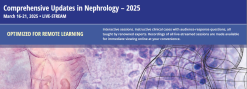
Comprehensive Nephrology Continuing Education Event
Advanced Kidney Disease Review & Practical Clinical Nephrology Update
The Comprehensive Nephrology Continuing Education Event delivers an extensive, high-level review of modern nephrology designed to help clinicians stay current with the rapidly evolving science and clinical management of kidney disease. Developed with a strong emphasis on practical application, this program combines state-of-the-art lectures, case-based discussions, and evidence-driven management strategies focused on improving real-world patient outcomes across the full spectrum of renal medicine.
With:
- 94 MP4 video lectures
- 12 subtitle files (VTT)
- 56 PDF educational resources
- Total size: 189.79 GB
this comprehensive educational package represents one of the most detailed nephrology learning resources currently available for practicing physicians, nephrology fellows, internists, and advanced renal care providers.
The course features more than 50 interactive lectures and clinical sessions taught by internationally recognized experts and leading Harvard Medical School faculty, covering the most important updates in:
- Chronic kidney disease (CKD)
- Acute kidney injury (AKI)
- Glomerular disease
- Kidney transplantation
- Dialysis management
- Electrolyte and acid-base disorders
- Hypertension
- Onco-nephrology
- Genetic kidney disease
- Cardiorenal and hepatorenal syndromes
- Emerging therapeutics in nephrology
Rather than offering purely theoretical review, the curriculum repeatedly emphasizes practical bedside decision-making and evidence-based approaches that clinicians can immediately apply in outpatient nephrology clinics, inpatient consult services, dialysis programs, and transplant medicine.
Why Modern Nephrology Has Become Increasingly Complex
Nephrology has changed dramatically over the last decade.
Clinicians now manage increasingly complicated patients affected by:
- Diabetes and obesity-related kidney disease
- Advanced CKD progression
- Cardiorenal syndromes
- Novel immunologic kidney disorders
- Precision genetic nephrology
- Expanding transplant populations
- Complex immunosuppressive regimens
- Cancer-related renal complications
- Electrolyte instability in critically ill patients
At the same time, nephrologists must continuously integrate:
- New clinical trials
- Emerging biomarkers
- Genetic testing
- Advanced therapeutics
- SGLT2 inhibitors
- Mineralocorticoid receptor antagonists
- Precision immunologic therapies
into already complex treatment algorithms.
The course appropriately reflects this increasingly multidisciplinary and rapidly evolving clinical environment.
Educational Approach
Practical Nephrology for Everyday Clinical Practice
One of the strongest aspects of this program is its emphasis on practical, clinically relevant nephrology.
The lectures repeatedly focus on:
- Real-world patient management
- Evidence-based treatment selection
- Diagnostic interpretation
- Longitudinal CKD care
- Complication prevention
- Risk stratification
- Individualized therapy planning
Many sessions move beyond textbook review and instead address difficult clinical questions frequently encountered in daily practice.
For example:
- When should genetic testing truly alter management?
- How aggressively should proteinuria be treated in advanced CKD?
- Which transplant patients require modification of immunosuppression?
- How should clinicians approach refractory electrolyte disorders?
- When does dialysis timing meaningfully improve outcomes?
This practical orientation substantially increases the educational value of the course.
Chronic Kidney Disease (CKD) & Disease Progression
CKD management remains one of the core themes throughout the program.
The course reviews:
- CKD progression prevention
- Proteinuria management
- Diabetic kidney disease
- Obesity-related CKD
- Novel CKD therapeutics
- Cardiorenal interactions
- Risk reduction strategies
Special attention is given to the practical integration of:
- SGLT2 inhibitors
- GLP-1 receptor agonists
- Mineralocorticoid receptor antagonists
- Modern blood pressure targets
- Individualized renal protection strategies
One recurring challenge in clinical nephrology involves balancing:
- Renal protection
- Cardiovascular risk reduction
- Medication tolerability
- Electrolyte safety
- Quality of life
particularly in older or medically complex CKD populations.
Glomerular Disease & Immune-Mediated Nephrology
The glomerular disease curriculum provides advanced review of:
- IgA nephropathy
- Membranous nephropathy
- Minimal change disease
- FSGS
- Lupus nephritis
- Immune-mediated kidney injury
Modern glomerular disease management increasingly depends on:
- Histopathologic interpretation
- Biomarker assessment
- Immunologic classification
- Individualized immunosuppressive therapy
The sessions appropriately emphasize evolving therapeutic approaches while acknowledging that evidence uncertainty still exists in many areas of nephrology.
Many practicing nephrologists encounter substantial variability in:
- Treatment response
- Relapse risk
- Long-term toxicity
- Immunosuppression tolerability
The course repeatedly addresses these nuanced clinical realities.
Electrolyte & Acid-Base Disorders
Electrolyte and acid-base management remains one of the most intellectually demanding areas of nephrology.
The program provides extensive review of:
- Potassium disorders
- Hyponatremia and hypernatremia
- Acid-base interpretation
- Volume disorders
- Diuretic resistance
- Complex ICU electrolyte management
Importantly, the lectures focus not only on physiology, but also on practical bedside application.
Clinicians frequently struggle with:
- Mixed acid-base disorders
- Refractory hyperkalemia
- Diuretic-resistant volume overload
- Rapid sodium correction risks
- CKD-related electrolyte instability
The course addresses these difficult clinical scenarios in detail.
Acute Kidney Injury & Critical Care Nephrology
AKI sessions explore:
- Diagnostic strategies
- ICU nephrology
- Hemodynamic injury
- Drug-induced nephrotoxicity
- Sepsis-associated AKI
- Renal replacement therapy
Modern AKI management increasingly requires integration between:
- Critical care medicine
- Cardiology
- Oncology
- Infectious disease
- Transplant medicine
The course appropriately emphasizes multidisciplinary clinical reasoning and early intervention strategies.
Kidney Transplantation & Immunosuppression
The transplant nephrology curriculum includes:
- Initial immunosuppressive strategies
- Maintenance therapy
- Infectious complications
- Post-transplant malignancy
- Chronic rejection
- Xenotransplantation
- Long-term graft management
One particularly valuable feature is the practical discussion of:
- Real-world immunosuppressive management
- Toxicity balancing
- Infection risk reduction
- Cancer surveillance
These areas remain highly challenging because transplant nephrology increasingly involves managing:
- Aging recipients
- Complex comorbidities
- Polypharmacy
- Long-term immunologic complications
Genetic Kidney Disease & Precision Nephrology
The course also highlights the expanding role of:
Genetic testing in nephrology
Sessions examine:
- Polycystic kidney disease
- Inherited renal disorders
- Genetic CKD evaluation
- Precision diagnostic approaches
As genomic medicine becomes increasingly integrated into nephrology practice, clinicians must determine:
- When testing meaningfully changes management
- Which patients benefit most from evaluation
- How to interpret complex results
- When family screening becomes appropriate
The course appropriately addresses both the promise and practical limitations of precision nephrology.
Onco-Nephrology & Emerging Fields
Onco-nephrology represents one of the fastest-growing nephrology subspecialties.
The program reviews:
- Chemotherapy-associated kidney injury
- Immunotherapy nephrotoxicity
- Electrolyte complications in cancer patients
- Tumor lysis syndrome
- Renal management during oncologic therapy
The sessions appropriately reflect how nephrologists increasingly collaborate within multidisciplinary oncology teams.
Additional emerging topics include:
- Climate change and kidney disease
- Pregnancy-related renal disease
- Primary hyperaldosteronism
- Bone mineral disorders
- Hepatorenal syndrome
Dialysis & Renal Replacement Therapy
The dialysis curriculum explores:
- Dialysis access management
- Peritoneal dialysis
- Hemodialysis complications
- Volume control
- Dialysis-related infections
- Practical outpatient dialysis management
Many clinicians encounter ongoing challenges involving:
- Access complications
- Dialysis intolerance
- Refractory volume overload
- Nutritional instability
- Cardiovascular risk in dialysis patients
The course emphasizes practical management strategies applicable to both inpatient and outpatient renal care.
What’s Included
- 94 MP4 video lectures
- 12 subtitle files (VTT)
- 56 downloadable PDF educational resources
- 189.79 GB of nephrology education content
- Interactive case-based discussions
- CKD management updates
- AKI and ICU nephrology review
- Glomerular disease education
- Dialysis management strategies
- Kidney transplant updates
- Electrolyte and acid-base sessions
- Genetic nephrology discussions
- Onco-nephrology review
- Evidence-based clinical management approaches
Who Benefits Most From This Program
This comprehensive course is especially valuable for:
- Nephrologists
- Internal medicine physicians
- Nephrology fellows
- Dialysis physicians
- Hospitalists managing renal disease
- Advanced practice nephrology providers
- Transplant medicine clinicians
It is particularly useful for clinicians seeking:
- Board-level nephrology review
- Advanced CKD management updates
- Practical transplant nephrology education
- Dialysis and ICU nephrology review
- Electrolyte and acid-base mastery
- Evidence-based renal therapeutics
Final Expert Perspective
The Comprehensive Nephrology Continuing Education Event succeeds because it combines academic depth with highly practical clinical nephrology education.
By integrating CKD progression management, glomerular disease, transplant medicine, electrolyte disorders, dialysis care, precision nephrology, and emerging renal therapeutics into one exceptionally broad curriculum, the program reflects the increasingly complex and multidisciplinary nature of modern kidney medicine.
For practicing nephrologists and clinicians involved in renal care, this course provides a remarkably comprehensive and clinically relevant update capable of improving both diagnostic confidence and long-term patient management strategies.
Related products
Anesthesiology & pain medicine

Critical Care - Emergency medicine
ASN Critical Care Nephrology – 2022 Update (On-Demand and Livestream)

Anesthesiology & pain medicine

Medical Accounts
Internal Medicine

Critical Care - Emergency medicine

Critical Care - Emergency medicine

USMLE / kaplan and Board Review
Uworld USMLE COMLEX Level 1 Qbank, Updated Jan 2023, System- and Subject-wise (PDF)