


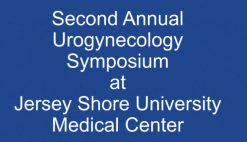


Hackensack Meridian UroGyn Symposium 2024
Advanced Female Pelvic Medicine, Urogynecology & Pelvic Floor Reconstruction Update
Pelvic floor disorders remain among the most prevalent yet underrecognized conditions affecting women across all age groups. Urinary incontinence, overactive bladder, pelvic organ prolapse, chronic pelvic pain, recurrent urinary tract infections, and genitourinary syndrome of menopause often coexist, creating highly individualized clinical presentations that require nuanced evaluation and multidisciplinary management.
The Hackensack Meridian UroGyn Symposium 2024 provides a practical, case-based update in female pelvic medicine and reconstructive surgery, translating evolving evidence and guideline changes into real-world diagnostic and therapeutic strategies clinicians can apply immediately in practice.
Rather than focusing only on operative techniques, the symposium takes a longitudinal care approach to urogynecology—moving stepwise from:
- Initial evaluation
- Conservative management
- Office-based interventions
- Surgical decision-making
- Complication management
- Long-term pelvic floor care
This structure reflects the reality of modern urogynecology, where successful outcomes often depend as much on patient selection, counseling, and expectation management as on technical procedural skill.
Course Details
- 1 Full-Length Conference Video
- Total Size: 1.92 GB
- Format: Continuous conference recording including lectures, case discussions, procedural sessions, and interactive Q&A
Pelvic Floor Disorders Are Increasingly Complex
Female pelvic medicine has evolved substantially over the past decade as clinicians navigate:
- Aging patient populations
- Increasing demand for minimally invasive therapies
- Mesh-related controversies
- Rising awareness of pelvic pain disorders
- Greater emphasis on quality-of-life outcomes
- Expanded treatment options for OAB and prolapse
In practice, pelvic floor disorders rarely fit neatly into isolated diagnostic categories.
Many patients present with overlapping issues involving:
- Mixed urinary incontinence
- Pelvic organ prolapse
- Sexual dysfunction
- Voiding dysfunction
- Chronic pelvic pain
- Recurrent UTIs
- Menopausal genitourinary symptoms
The symposium repeatedly emphasizes that successful management requires individualized care pathways rather than rigid protocol-driven treatment alone.
Stepwise Evaluation of Incontinence & Overactive Bladder
The conference begins with structured diagnostic approaches to:
- Stress urinary incontinence
- Urge incontinence
- Mixed incontinence
- Overactive bladder (OAB)
- Lower urinary tract symptoms
The sessions review practical outpatient evaluation techniques, including:
- Pelvic floor assessment
- Bladder diaries
- Office testing
- Post-void residuals
- Urodynamic interpretation
- Imaging pearls
One recurring challenge in urogynecology involves distinguishing symptom overlap that may appear clinically similar but require very different treatment approaches.
The symposium appropriately focuses on identifying:
- Which patients benefit from conservative management
- Which patients require procedural escalation
- Which patients may have underlying neurologic or structural pathology
before committing to intervention.
Conservative Pelvic Floor Rehabilitation Still Matters
A major educational strength of the symposium is its strong emphasis on conservative therapy before procedural escalation.
Topics include:
- Pelvic floor physical therapy
- Behavioral interventions
- Bladder retraining
- Vaginal support devices
- Pessary fitting
- Lifestyle modification strategies
Modern urogynecology increasingly recognizes that many patients achieve meaningful symptom improvement without surgery.
At the same time, conservative therapy may:
- Improve surgical candidacy
- Clarify symptom drivers
- Reduce postoperative dysfunction
- Improve long-term pelvic floor outcomes
The discussions appropriately frame rehabilitation as a central component of pelvic floor medicine rather than simply a preliminary step before surgery.
Midurethral Slings, Fascial Slings & Bulking Agents
The procedural sessions review updated approaches to stress urinary incontinence management, including:
- Midurethral sling techniques
- Autologous fascial slings
- Urethral bulking procedures
- Patient selection frameworks
- Postoperative troubleshooting
The conference addresses both the effectiveness and controversy surrounding sling procedures in contemporary urogynecology.
Clinical decision-making becomes particularly nuanced in patients with:
- Prior pelvic surgery
- Mixed incontinence
- Pelvic pain syndromes
- Intrinsic sphincter deficiency
- Mesh-related concerns
Rather than advocating a single procedural philosophy, the symposium repeatedly emphasizes individualized treatment selection based on anatomy, symptoms, and patient goals.
Pelvic Organ Prolapse & Reconstructive Planning
Pelvic organ prolapse management remains one of the most technically challenging areas in reconstructive pelvic surgery.
The prolapse sessions examine:
- POP staging systems
- Native tissue repairs
- Mesh-augmented options
- Apical suspension strategies
- Colpocleisis
- Long-term recurrence considerations
The discussions appropriately acknowledge that prolapse surgery is rarely “one-size-fits-all.”
Factors influencing operative planning include:
- Age and frailty
- Sexual activity
- Severity of prolapse
- Prior surgical history
- Patient expectations
- Recovery goals
The symposium also highlights the importance of balancing anatomic correction with preservation of functional outcomes and quality of life.
Neuromodulation, Botox & Advanced OAB Therapies
The OAB-focused sessions review:
- Sacral neuromodulation
- Tibial nerve stimulation
- Intradetrusor Botox therapy
- Device troubleshooting
- Patient selection
- Programming strategies
As pharmacologic therapy limitations become increasingly recognized, advanced bladder therapies continue expanding in both urogynecology and urology practices.
The conference explores practical issues frequently encountered in real-world care, including:
- Variable treatment response
- Repeat intervention timing
- Patient adherence
- Managing expectations
- Long-term symptom monitoring
These discussions are particularly valuable because many OAB patients experience fluctuating symptoms that require longitudinal management rather than isolated intervention alone.
Mesh Complications, Pelvic Pain & Revision Surgery
Mesh-related complications remain among the most difficult areas in female pelvic medicine.
The symposium reviews:
- Mesh exposure and erosion
- Chronic pelvic pain
- Dyspareunia
- Imaging evaluation
- Partial versus complete mesh excision
- Multidisciplinary pain management approaches
Importantly, the conference recognizes that mesh complications often involve:
- Functional impairment
- Emotional distress
- Sexual dysfunction
- Chronic pain syndromes
- Complex revision decision-making
The discussions avoid simplistic procedural solutions and instead emphasize individualized multidisciplinary care.
UTI Prevention, GSM & Menopausal Pelvic Health
The urogynecology population frequently overlaps with menopausal and recurrent urinary tract symptom management.
The sessions examine:
- Recurrent UTI prophylaxis
- Vaginal estrogen therapy
- Non-antibiotic prevention strategies
- Genitourinary syndrome of menopause (GSM)
- Vaginal microbiome considerations
Many clinicians encounter patients whose:
- Urinary symptoms
- Sexual dysfunction
- Vaginal dryness
- Pelvic discomfort
are interconnected rather than isolated problems.
The symposium appropriately emphasizes integrated pelvic health management rather than symptom-specific treatment alone.
Sexual Function, Dyspareunia & Pelvic Pain
The pelvic pain discussions focus on:
- Dyspareunia evaluation
- Counseling strategies
- Pelvic floor PT integration
- Multidisciplinary pain management
- Sexual health communication
One important strength of the symposium is its recognition that pelvic floor disorders significantly affect:
- Intimacy
- Mental health
- Body image
- Relationship quality
- Daily functioning
These areas are often under-addressed in traditional surgical conferences.
ERAS Protocols & Perioperative Optimization
Modern pelvic reconstructive surgery increasingly incorporates:
- Enhanced recovery after surgery (ERAS) protocols
- VTE prevention
- Opioid-sparing analgesia
- Risk stratification
- Early mobilization strategies
- Return-to-activity counseling
The conference reviews perioperative optimization strategies aimed at improving both short-term recovery and long-term outcomes.
Quality, Safety & Shared Decision-Making
A particularly valuable aspect of the symposium involves its attention to:
- Informed consent
- Documentation quality
- Outcomes tracking
- Health equity
- Patient-reported outcomes
- Shared decision-making tools
Pelvic floor disorders frequently involve highly personal symptoms, and treatment success often depends heavily on aligning procedural choices with patient priorities and expectations.
The conference repeatedly reinforces communication as a critical procedural skill in urogynecology.
Educational Format
The symposium includes:
- Live lectures
- Case panels
- “How-I-do-it” sessions
- Interactive Q&A discussions
- Stepwise management algorithms
- Practical take-home checklists
Topics covered throughout the conference include:
- Incontinence & OAB
- Pelvic organ prolapse
- Mesh complications
- Urodynamics & imaging
- Sexual function & pelvic pain
- UTI prevention & GSM
- ERAS & perioperative care
- Quality and safety initiatives
What’s Included
- 1 full urogynecology conference video
- Total size: 1.92 GB
- Female pelvic medicine updates
- Incontinence and OAB management
- Prolapse reconstruction strategies
- Neuromodulation and Botox therapy
- Mesh complication management
- Pelvic pain and sexual health discussions
- ERAS and perioperative optimization
Why This Urogynecology Course Matters
Female pelvic floor disorders are among the most common chronic conditions affecting women, yet management remains highly individualized and often clinically complex. Successful care requires integration of conservative therapy, procedural judgment, reconstructive planning, long-term symptom management, and compassionate patient communication.
The Hackensack Meridian UroGyn Symposium 2024 provides a highly practical and clinically relevant review of modern urogynecology through case-based teaching, multidisciplinary discussion, and evidence-driven management strategies. For clinicians involved in female pelvic medicine and reconstructive surgery, the symposium offers actionable insight directly applicable to contemporary pelvic floor practice.