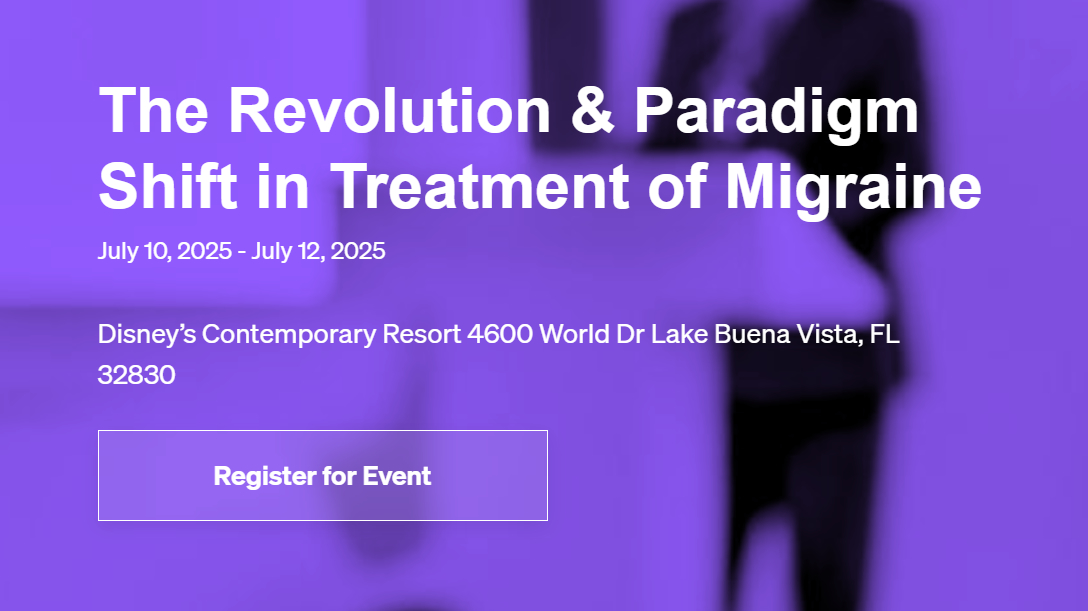
Diamond Education Foundation – The Revolution & Paradigm Shift in Treatment of Migraine 2025
Advanced Headache Medicine & Modern Migraine Management
📦 Product Details
Format: 24 Videos + 24 Audios + 24 Subtitle Files (.vtt) + 24 PDFs
Total Size: 10.07 GB
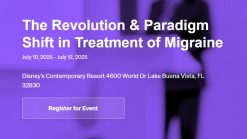
Course Date: July 10–12, 2025
Location: Disney’s Contemporary Resort
Organizer: Diamond Headache Clinic Research & Educational Foundation
Access: On-demand
Focus: Migraine Medicine, Headache Disorders & Neurology
Target Audience: Neurologists, headache specialists, primary care physicians, advanced practice providers, and headache medicine clinicians
🩺 Program Overview
Diamond Education Foundation – The Revolution & Paradigm Shift in Treatment of Migraine 2025 is an advanced headache medicine course designed to help clinicians navigate the rapidly evolving understanding and treatment of migraine and complex headache disorders.
Held at Disney’s Contemporary Resort in Florida, this comprehensive educational program explores the modern concept of migraine as a multifaceted neurological disease involving central nervous system dysfunction, the gut-brain axis, autonomic dysregulation, neuroinflammation, and emerging molecular pathways.
The course emphasizes practical, “fluff-free” clinical education focused on actionable treatment strategies, difficult-to-manage patient populations, and evidence-based therapeutic decision-making.
Participants will gain updated knowledge on novel migraine targets such as PACAP and Amylin, advanced procedural headache therapies, cluster headache management, autonomic dysfunction, medication overuse headache, post-traumatic headache, and migraine care across special populations including pediatric, pregnant, and menopausal patients.
The program combines expert lectures, case-based discussions, procedural training, and patient-centered communication strategies to improve both clinical outcomes and long-term patient adherence.
🎯 Key Features
- Comprehensive migraine medicine update
- Emerging PACAP and Amylin therapeutic targets
- Advanced procedural headache management training
- Practical, case-based headache education
- Complex and secondary headache disorder evaluation
- Gut-brain axis and autonomic dysfunction insights
- Pediatric and women’s headache medicine updates
- Communication and documentation optimization strategies
📚 What You Will Learn
- Apply modern migraine prevention and acute treatment guidelines
- Integrate emerging PACAP and Amylin therapies into practice
- Diagnose and manage difficult headache disorders confidently
- Perform advanced procedural headache interventions
- Recognize autonomic dysfunction and migraine overlap syndromes
- Evaluate CSF fistulas and secondary headache disorders
- Manage cluster headaches and trigeminal autonomic cephalalgias
- Improve treatment adherence through shared decision-making
- Optimize care for pediatric, pregnant, and menopausal patients
- Understand the neurological impact of Long COVID on headache disorders
🧠 Core Topics Covered
🌩️ Migraine Pathophysiology & Modern Concepts
- Migraine as a neurological disease
- Migraine phases and progression
- PACAP and Amylin pathways
- Neuroinflammation concepts
- Central sensitization mechanisms
- Emerging migraine therapeutic targets
💊 Acute & Preventive Migraine Therapy
- Acute migraine guideline updates
- Preventive migraine treatment strategies
- CGRP-era clinical decision-making
- Comparing AHS vs ACP guidelines
- Medication overuse headache management
- Difficult chronic migraine treatment approaches
🩺 Procedural Headache Medicine
- OnabotulinumtoxinA (Botox) techniques
- Nerve block injection methods
- Inpatient headache treatment strategies
- Procedural intervention pearls
- Advanced headache procedural workflows
⚠️ Complex & Secondary Headache Disorders
- Cluster headache management
- Facial neuralgias
- Trigeminal autonomic cephalalgias
- Post-traumatic headache
- Idiopathic intracranial hypertension
- CSF fistula recognition and diagnosis
🧬 Systemic & Neurological Connections
- Brain-gut axis and migraine
- Mast cell activation concepts
- Autonomic dysfunction and migraine
- Dysautonomia and POTS overlap
- Long COVID neurological implications
- Systemic inflammatory influences on headache
👩 Women’s & Pediatric Headache Medicine
- Pediatric headache management
- Migraine during the menstrual cycle
- Menopause and migraine care
- Hormonal influences on migraine
- Headache management during pregnancy
🤝 Patient Communication & Practice Optimization
- Shared decision-making models
- Documentation of headache visits
- Building patient trust and adherence
- Clinician wellbeing strategies
- Practical networking in headache medicine
🎥 Included Topics
- Navigating Acute Migraine Guidelines
- Rethinking Migraine Prevention in the Era of Targeted Treatments
- Migraine Epidemiology & Diagnosis
- Migraine Phases
- Optimizing Patient Interactions
- Pediatric Headache
- Migraine and Autonomic Dysfunction
- Finding Fistulas
- Medication Overuse Headache
- Facial Neuralgias & Trigeminal Autonomic Cephalalgias
- Management of Difficult Cluster Headache Patients
- Post Traumatic Headache
- PACAP and Amylin in Migraine
- Idiopathic Intracranial Hypertension
- Sinus Headache Case Studies
- Shared Decision-Making in Migraine Care
- Documentation of the Headache Patient Visit
- Networking in Headache Medicine
- Migraine During Menstrual Cycle and Menopause
- Inpatient Headache Treatment
- Preventing Migraine Progression
- Comparing Migraine Prevention Guidelines
- Communication Strategies to Improve Patient Trust & Adherence
👨⚕️ Target Audience
- Neurologists
- Headache medicine specialists
- Primary care physicians
- Internal medicine physicians
- Family medicine physicians
- Nurse practitioners (NPs)
- Physician assistants (PAs)
- Pain management clinicians
- Neuroscience researchers
🚀 Why This Course Stands Out
- Focuses on the evolving neurological understanding of migraine disease
- Covers cutting-edge therapeutic targets including PACAP and Amylin
- Strong emphasis on practical clinical management
- Includes advanced procedural headache medicine training
- Addresses autonomic dysfunction, gut-brain interactions, and Long COVID
- Combines evidence-based medicine with patient-centered communication
- Covers difficult and secondary headache disorders comprehensively
- Ideal for clinicians seeking modern, actionable migraine education