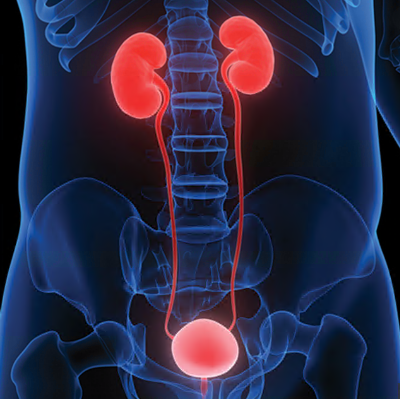
Comprehensive Review of Urology 2021


$10.00
This Product is shared via google drive download link, So please share your correct Gmail id while placing the order .Please note that there are no CME points or certificate associated with this course Samples for Courses Can be found here : Free Samples Here!

Comprehensive Review of Urology 2021
Advanced CME Update in Adult & Pediatric Urology, Oncology, Reconstruction & Minimally Invasive Surgery
The Comprehensive Review of Urology 2021 delivers an extensive, guideline-driven review of modern urologic practice across adult and pediatric urology, urologic oncology, reconstructive surgery, urinary disorders, minimally invasive procedures, and advanced imaging. Developed as a high-yield continuing medical education program, the course is designed to help clinicians strengthen both board-level knowledge and real-world clinical decision-making across the full spectrum of contemporary urology.
Led by internationally recognized faculty and chaired by renowned urologist Aria F. Olumi, MD, the program combines evidence-based recommendations, practical surgical principles, imaging interpretation, pathology review, and multidisciplinary management strategies relevant to both academic and community urologic practice.
The course emphasizes clinically applicable updates involving:
- Prostate cancer diagnosis and treatment
- Kidney and bladder cancer management
- Urologic imaging and MRI interpretation
- Minimally invasive and robotic surgery
- Male infertility and sexual dysfunction
- Female pelvic floor disorders
- Pediatric urology
- Trauma and reconstructive urology
- Urinary tract infections
- Stone disease
- Gender-affirming care
A Comprehensive Modern Review of Urology
Urology has evolved dramatically over the past decade due to advances in:
- Multiparametric MRI
- Robotic surgery
- Precision oncology
- Biomarker-driven diagnostics
- Minimally invasive interventions
- Immunotherapy
- Gender-affirming surgical care
- Pediatric transitional medicine
At the same time, practicing urologists increasingly manage highly complex patients requiring multidisciplinary coordination across:
- Oncology
- Radiology
- Pathology
- Nephrology
- Reconstructive surgery
- Endocrinology
- Pelvic medicine
This CME program provides a broad but clinically focused review intended to consolidate core knowledge while integrating evolving evidence and contemporary guidelines.
Prostate Cancer: Imaging, Diagnosis & Management
A major strength of the course is its extensive coverage of prostate cancer.
The lectures examine:
- MRI of prostate cancer
- Active surveillance
- Biomarkers
- Surgical management
- Radiation therapy
- Systemic treatment for metastatic disease
- Focal therapy approaches
The MRI-focused sessions review how multiparametric MRI increasingly influences:
- Screening strategies
- Lesion localization
- Biopsy targeting
- Risk stratification
- Treatment planning
The course also discusses how modern management increasingly balances oncologic control with:
- Quality of life
- Functional outcomes
- Patient-reported outcomes
- Overtreatment reduction
Kidney Cancer & Renal Mass Management
The renal oncology sections review:
- Active surveillance for renal masses
- Open nephrectomy
- Laparoscopic and robotic surgery
- Ablative therapies
- Systemic therapy for advanced RCC
Minimally invasive renal surgery has transformed kidney cancer management by reducing morbidity while preserving oncologic efficacy in appropriately selected patients.
The course emphasizes patient selection, tumor staging, and individualized treatment planning.
Bladder Cancer & Multimodal Therapy
The bladder cancer curriculum includes:
- Non-muscle invasive bladder cancer (NMIBC)
- Intravesical therapy
- Muscle-invasive bladder cancer
- Trimodality bladder-sparing therapy
- Systemic treatment advances
- Urinary diversion
One recurring theme throughout the lectures is the increasing complexity of bladder cancer management due to:
- Immunotherapy integration
- Organ preservation strategies
- Risk-adapted treatment pathways
- Molecular characterization
Urologic Imaging & Pathology
The imaging and pathology sections are particularly valuable because modern urology increasingly depends on close radiologic-pathologic correlation.
Topics include:
- MRI of prostate cancer
- Radiologic evaluation of renal masses
- Imaging assessment of metastatic disease
- Prostate pathology
- Kidney tumor pathology
- Bladder pathology
- Adrenal pathology
- Testicular pathology
The pathology lectures reinforce clinically meaningful interpretation relevant to surgical and oncologic management.
Stone Disease & Obstruction
The nephrolithiasis sessions review:
- Medical stone management
- Surgical stone treatment
- Upper urinary tract obstruction
- Endourologic intervention
Stone disease remains one of the most common reasons for urgent urologic evaluation, and the course emphasizes individualized management based on:
- Stone burden
- Composition
- Anatomy
- Symptom severity
- Infection risk
Female Pelvic Medicine & Voiding Dysfunction
The course provides substantial coverage of:
- Urinary incontinence
- Overactive bladder
- Pelvic organ prolapse
- Urodynamics
- Stress incontinence surgery
- Urinary fistula
The lectures highlight how pelvic floor disorders frequently require nuanced management combining:
- Conservative therapy
- Pharmacologic treatment
- Surgical intervention
- Functional assessment
Male Sexual Health & Reproductive Urology
The andrology curriculum includes:
- Erectile dysfunction
- Male infertility
- Peyronie disease
- Priapism
- Chronic pelvic pain
- Gender-affirming surgery
The course approaches these conditions from both physiologic and psychosocial perspectives, reflecting the increasingly multidisciplinary nature of sexual medicine.
Transgender & Gender-Affirming Care
One particularly modern component of the course is its inclusion of:
- Transgender healthcare
- Gender-affirming surgery
- Office-based transgender care
- Surgical reconstruction principles
As access to gender-affirming care expands, urologists increasingly participate in multidisciplinary treatment teams.
Pediatric Urology & Transitional Care
The pediatric urology section reviews:
- Antenatal hydronephrosis
- Vesicoureteral reflux
- Hypospadias
- Posterior urethral valves
- Pediatric trauma
- Neurogenic bladder
- Disorders of sex development
- Transitional urology
The lectures emphasize long-term continuity of care, particularly for congenital urologic conditions extending into adulthood.
Trauma & Reconstructive Urology
The trauma curriculum examines:
- Renal trauma
- Urethral trauma
- Genital trauma
- Bladder and prostate injury
- Urethral strictures
The course reviews acute management principles alongside reconstructive considerations important for long-term functional outcomes.
Office-Based & Minimally Invasive Urology
Additional sessions focus on:
- Ultrasound in urology practice
- Energy modalities
- Laser physics
- Robotic surgery fundamentals
- Electrosurgical techniques
These practical lectures are especially relevant for procedural urologists and trainees.
Topics Covered
- Prostate cancer imaging and treatment
- MRI of prostate cancer
- Kidney cancer management
- Bladder cancer therapies
- Urologic oncology
- Urinary tract infections
- Stone disease
- Male infertility and erectile dysfunction
- Gender-affirming care
- Pediatric urology
- Pelvic organ prolapse
- Overactive bladder
- Robotic and laparoscopic surgery
- GU trauma and reconstruction
- Urologic pathology and imaging
Final Expert Perspective
Modern urology now encompasses a highly diverse and technologically advanced field spanning oncology, reconstruction, minimally invasive surgery, pelvic medicine, pediatric disorders, imaging, genomics, and gender-affirming care. Clinicians are increasingly expected to integrate evidence-based guidelines, advanced imaging interpretation, surgical innovation, and multidisciplinary management into highly individualized patient care.
The Comprehensive Review of Urology 2021 provides a broad yet clinically practical update across virtually every major area of contemporary urology through expert-led lectures focused on diagnosis, surgical management, imaging, pathology, and evolving therapeutic strategies. For urologists, fellows, residents, advanced practice providers, and clinicians involved in urologic care, the course offers a valuable and comprehensive educational resource for both board preparation and real-world clinical practice.
Related products



Medical Accounts
Critical Care - Emergency medicine
Critical Care - Emergency medicine

Medical Accounts