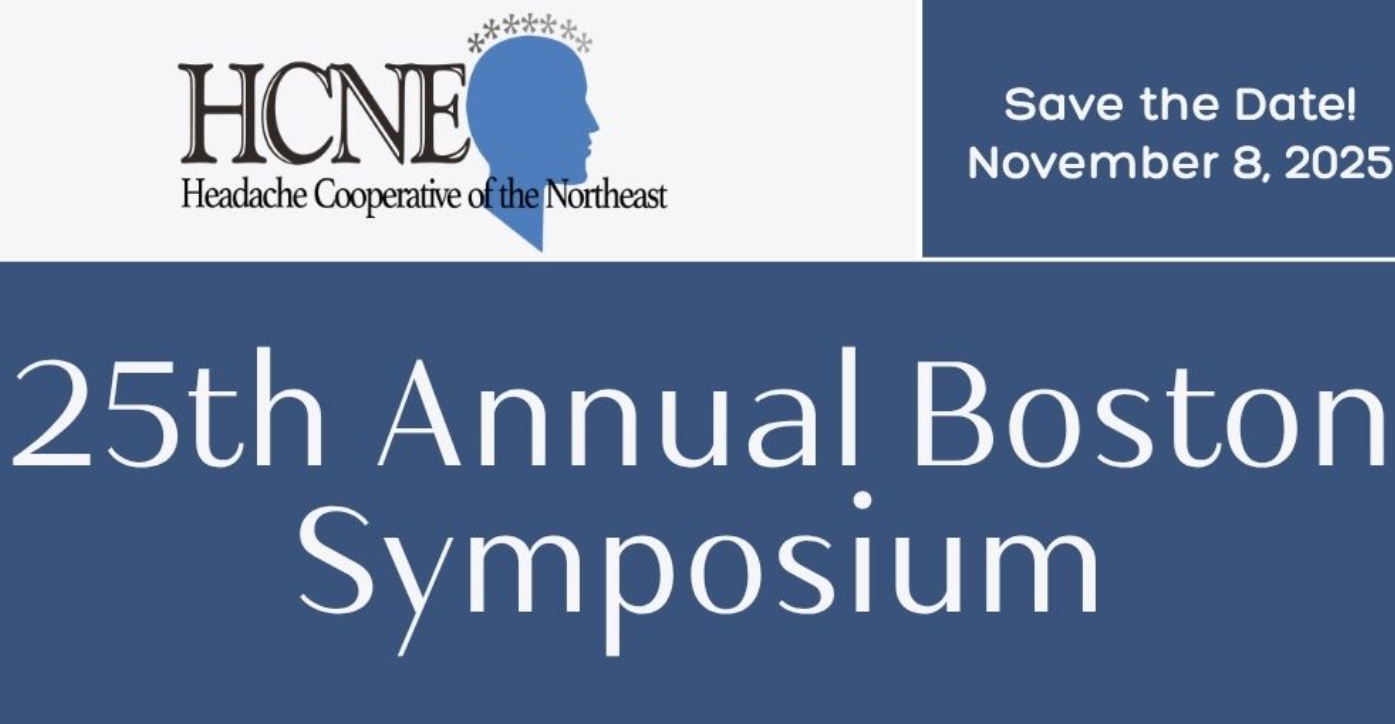
Boston University 25th Annual HCNE Boston Headache Symposium 2025
Advanced Headache Medicine, Migraine & Facial Pain Clinical Update
The Boston University 25th Annual HCNE Boston Headache Symposium 2025 provides an advanced and clinically practical review of modern headache medicine, migraine management, facial pain disorders, vestibular symptoms, cerebrospinal fluid leaks, medication overuse headache, and multidisciplinary chronic pain care. Organized by the Headache Cooperative of the Northeast (HCNE), this annual meeting brings together neurologists, headache specialists, pain physicians, advanced practice providers, and multidisciplinary clinicians to discuss the evolving science and real-world management of complex headache disorders.

Held in Boston in November 2025, the symposium reflects the growing recognition that headache medicine extends far beyond episodic migraine treatment. Modern clinicians increasingly manage patients with overlapping neurologic, vestibular, musculoskeletal, psychiatric, dental, and chronic pain syndromes requiring nuanced diagnostic reasoning and individualized treatment strategies.
This educational package includes:
- 10 Videos (.mp4)
- 10 Audio recordings (.mp3)
- 10 Subtitle files (.vtt)
- 1 PDF
- Total Size: 3.47 GB
The program combines evidence-based lectures with case discussions and expert panel commentary focused on practical headache evaluation, diagnostic pitfalls, guideline updates, communication challenges, and multidisciplinary care pathways.
The Expanding Complexity of Headache Medicine
Headache disorders remain among the most prevalent and disabling neurologic conditions worldwide. Despite major advances in migraine biology and therapeutic development, many patients continue to experience delayed diagnosis, fragmented care, medication overuse, and chronic disability.
One of the more important themes throughout the HCNE Boston Headache Symposium is the recognition that headache disorders often exist within broader systems involving:
- Central sensitization
- Vestibular dysfunction
- Chronic pain syndromes
- Sleep disorders
- Psychological stress
- Hormonal influences
- Musculoskeletal pathology
- Medication dependency
- Orofacial pain disorders
The symposium repeatedly emphasizes that effective headache management requires far more than simply prescribing acute migraine medications.
Approach to the Headache Patient
The opening lecture focuses on structured evaluation of headache patients, including:
- Diagnostic frameworks
- Red flag recognition
- Secondary headache exclusion
- Migraine phenotyping
- Chronic headache assessment
- Functional impact evaluation
In clinical practice, headache diagnosis can become particularly challenging when symptoms overlap with:
- Vestibular disorders
- CSF pressure abnormalities
- Medication overuse
- Cervical pain syndromes
- Facial pain disorders
- Anxiety-related somatic symptoms
The course appropriately emphasizes thoughtful clinical reasoning rather than reflexive imaging or protocol-driven treatment alone.
Updated Headache Guidelines & Modern Migraine Management
The guideline-focused sessions review:
- New migraine treatment recommendations
- Preventive therapy strategies
- Acute migraine management
- CGRP-targeted therapies
- Neuromodulation considerations
- Evidence-based headache protocols
Headache medicine has evolved rapidly in recent years with the emergence of:
- CGRP monoclonal antibodies
- Gepants
- Ditans
- Expanded neuromodulation options
- More individualized preventive strategies
Several discussions appropriately address how clinicians can integrate newer therapies into real-world practice while balancing:
- Cost
- Accessibility
- Comorbid conditions
- Medication overuse risk
- Long-term tolerability
CSF Leaks & Secondary Headache Disorders
One of the more clinically important sessions focuses on cerebrospinal fluid leaks and intracranial hypotension.
Topics include:
- CSF leak presentations
- Orthostatic headache patterns
- Diagnostic workup
- Imaging interpretation
- Treatment approaches
- Procedural management considerations
CSF leaks remain underrecognized causes of chronic headache and can easily be misdiagnosed as refractory migraine or tension-type headache.
The symposium appropriately highlights the importance of maintaining diagnostic suspicion in patients with atypical or treatment-resistant headache syndromes.
Vestibular Migraine & Balance Disorders
Vestibular symptoms associated with migraine continue to represent one of the more diagnostically confusing areas in neurology.
The lecture reviews:
- Vestibular migraine presentations
- Dizziness and migraine overlap
- Balance dysfunction
- Diagnostic differentiation
- Treatment strategies
Many clinicians encounter patients whose symptoms fluctuate between migraine, vertigo, disequilibrium, visual disturbance, and anxiety-related complaints, often resulting in prolonged diagnostic uncertainty.
The course provides practical frameworks for approaching these complex presentations.
Orofacial Pain & Multidisciplinary Headache Care
The orofacial pain session explores the overlap between:
- Dental pain disorders
- Temporomandibular dysfunction
- Neuropathic facial pain
- Migraine-related facial symptoms
- Trigeminal pain syndromes
Headache medicine increasingly requires collaboration between:
- Neurologists
- Dentists
- Pain specialists
- Physical therapists
- Psychologists
- Otolaryngologists
The symposium appropriately emphasizes this multidisciplinary model of care.
Medication Overuse Headache
Medication overuse headache remains one of the most common and frustrating problems in headache medicine.
The lecture examines:
- Rebound headache mechanisms
- Overuse patterns
- Preventive treatment optimization
- Withdrawal strategies
- Long-term relapse prevention
In practice, medication overuse headache often develops gradually and can become difficult to distinguish from progression of underlying chronic migraine itself.
The session appropriately explores the behavioral and physiologic complexities involved in these patients.
Difficult Patient Communication & Chronic Pain Medicine
A particularly valuable aspect of the symposium involves communication strategies for challenging headache consultations.
Topics include:
- Managing difficult patient encounters
- Chronic pain communication
- Patient expectations
- Therapeutic alliance development
- Functional symptom discussions
Headache medicine frequently involves patients with years of disability, frustration, prior treatment failures, and significant psychosocial burden.
The symposium acknowledges these realities while emphasizing empathetic yet structured clinical communication.
Historical Bias & Women’s Headache Disorders
One of the more distinctive lectures examines the historical influence of gender bias in medicine and how it shaped the treatment of headache disorders.
The session explores:
- Historical misconceptions in women’s pain disorders
- Barriers to evidence-based headache care
- Gender disparities in neurologic medicine
- Evolution of headache treatment paradigms
This broader historical perspective adds important context to modern headache practice and patient advocacy.
Case-Based Headache Discussions
The case conference session provides multidisciplinary discussion of real-world headache scenarios involving:
- Diagnostic uncertainty
- Treatment resistance
- Chronic migraine
- Complex symptom overlap
- Secondary headache evaluation
Case-based learning remains particularly valuable in headache medicine because clinical presentations are often nuanced and highly individualized.
What’s Included
- 10 expert-led headache medicine videos
- 10 audio recordings (.mp3)
- 10 subtitle files (.vtt)
- 1 PDF
- Total size: 3.47 GB
- Migraine and facial pain case discussions
- Guideline and diagnostic updates
- Multidisciplinary headache management strategies
Target Audience
This course is ideal for:
- Neurologists
- Headache specialists
- Primary care physicians
- Pain medicine clinicians
- Nurse practitioners
- Physician assistants
- Dentists involved in facial pain care
- Physical therapists
- Psychologists working in chronic pain medicine
- Advanced practice neurology providers
Why the HCNE Boston Headache Symposium 2025 Matters
Headache medicine continues evolving rapidly as clinicians gain deeper understanding of migraine neurobiology, central sensitization, vestibular disorders, CGRP-targeted therapies, and chronic pain mechanisms. At the same time, headache specialists increasingly encounter medically complex patients requiring multidisciplinary evaluation and individualized management strategies.
The Boston University 25th Annual HCNE Boston Headache Symposium 2025 reflects this evolving landscape through a clinically grounded and highly practical review of contemporary headache medicine. For neurologists and healthcare providers seeking updated guidance in migraine care, facial pain disorders, vestibular symptoms, CSF leaks, and chronic headache management, this symposium offers a valuable and evidence-informed educational resource.