
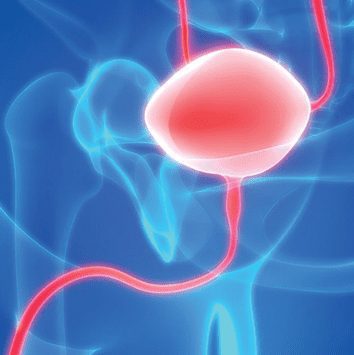
UCLA State-of-the-Art Urology 2021
$50.00
This Product is shared via google drive download link, So please share your correct Gmail id while placing the order .Please note that there are no CME points or certificate associated with this course Samples for Courses Can be found here : Free Samples Here!
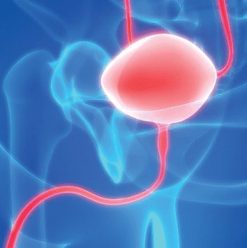

UCLA State-of-the-Art Urology 2021
Advanced Updates in Prostate Cancer, Voiding Dysfunction, Endourology, Men’s Health & Robotic Urologic Surgery
The UCLA State-of-the-Art Urology 2021 program delivers a comprehensive, evidence-based review of modern urologic practice with a strong focus on contemporary surgical techniques, multidisciplinary cancer care, male and female voiding dysfunction, men’s health, reconstructive urology, and minimally invasive urologic procedures.
Presented by nationally recognized leaders in urology, the course combines expert lectures, interactive panel discussions, surgical video sessions, and real-world case presentations designed to help clinicians integrate the latest advances into everyday practice.
The curriculum emphasizes practical clinical decision-making across:
- Prostate cancer management
- Bladder and kidney cancer
- Endourology and stone disease
- Men’s sexual health
- Urinary incontinence
- Reconstructive urology
- Robotic surgery
- Advanced imaging and genomics
A Modern Multidisciplinary Approach to Urology
Contemporary urology increasingly requires integration of:
- Precision oncology
- Genomic testing
- Advanced imaging
- Robotic surgery
- Functional reconstruction
- Quality-of-life optimization
- Shared decision-making strategies
The UCLA course reflects this modern approach by combining oncologic management with functional outcomes, patient-centered care, and minimally invasive innovation.
Voiding Dysfunction & Female Urology
A major component of the course focuses on female pelvic medicine and voiding dysfunction.
The lectures review:
- Mixed urinary incontinence
- Overactive bladder
- Recurrent urinary tract infections
- Third-line bladder therapies
- Female voiding dysfunction
- Genetic testing for UTIs
The sessions emphasize individualized treatment planning based on:
- Symptom severity
- Urodynamic evaluation
- Infection risk
- Patient quality of life
- Functional outcomes
The recurrent UTI discussions are particularly relevant given growing concerns regarding:
- Antibiotic resistance
- Chronic urinary symptoms
- Biofilm-associated infections
- Emerging molecular diagnostics
Male Voiding Dysfunction & Urethral Reconstruction
The course also provides extensive updates on:
- Male urinary incontinence
- Underactive bladder
- Bladder outlet obstruction
- Urethral stricture disease
- Male sling procedures
The reconstructive sessions discuss contemporary approaches ranging from:
- Endoscopic management
to - Complex urethral reconstruction.
The faculty highlight patient selection principles and evolving surgical indications.
Urolithiasis & Endourology
The endourology section reviews:
- Medical stone management
- Metabolic evaluation
- Endoscopic infection prevention
- Ureteroscopy
- Percutaneous nephrolithotomy (PCNL)
- Ureteral stents
The course discusses the ongoing evolution of minimally invasive stone surgery, including the growing role of flexible ureteroscopy and technological advances in endoscopic management.
Special emphasis is placed on:
- Stone prevention strategies
- Perioperative infection management
- Antibiotic stewardship
- Patient comfort and stent-related symptoms
Men’s Health & Sexual Medicine
The men’s health curriculum covers:
- Penile rehabilitation after prostatectomy
- Priapism
- Anorgasmia
- Men’s health clinic development
- Sexual dysfunction management
The penile rehabilitation lectures focus on optimizing:
- Erectile recovery
- Penile tissue preservation
- Functional outcomes following prostate cancer treatment
The course approaches sexual medicine from both physiologic and psychosocial perspectives, reflecting the growing complexity of modern men’s health care.
Robotic Surgery & Surgical Innovation
The surgical video sessions provide updates on:
- Single-port robotic surgery
- Robotic radical prostatectomy
- Nerve-sparing techniques
- Continence preservation
- Margin optimization
The robotic prostatectomy discussions are especially valuable because they emphasize balancing:
- Cancer control
- Erectile function preservation
- Urinary continence
- Long-term quality of life
The course also examines whether newer robotic platforms meaningfully improve surgical outcomes or procedural efficiency.
Prostate Cancer: Precision Management in 2021
Prostate cancer management is a major focus throughout the course.
The lectures review:
- Shared decision making
- Active surveillance
- Biomarkers
- Focal therapy
- Salvage radiotherapy
- Hormone therapy personalization
- PSMA imaging
- Oligometastatic disease
- Advanced systemic therapy
The faculty discuss how prostate cancer care increasingly incorporates:
- Molecular profiling
- Genomic testing
- Risk stratification
- Advanced imaging
- Personalized therapy selection
Active Surveillance & Focal Therapy
The active surveillance sessions review evolving criteria for:
- Monitoring intensity
- MRI integration
- Inclusion of Grade Group 2 disease
- Repeat biopsy strategies
The focal therapy lectures explore:
- Patient selection
- Oncologic limitations
- Emerging technologies
- Functional preservation strategies
Advanced Prostate Cancer
The advanced disease lectures discuss:
- Hormone-sensitive metastatic disease
- Novel androgen pathway therapies
- Genetic testing integration
- PSMA-directed imaging
- Oligometastatic treatment strategies
These sessions reflect the rapidly evolving landscape of precision prostate oncology.
Bladder Cancer & Urothelial Oncology
The bladder cancer curriculum includes:
- Non-muscle invasive bladder cancer
- BCG shortage management
- Upper tract urothelial carcinoma
- Emerging bladder cancer therapies
The faculty address practical challenges currently facing urologists, particularly regarding:
- Intravesical therapy limitations
- Alternative treatment pathways
- Risk-adapted management strategies
Testicular Cancer
The testicular cancer sessions provide concise, clinically practical updates regarding:
- Diagnosis
- Staging
- Surveillance
- Surgical management
- Systemic therapy considerations
The course emphasizes the importance of multidisciplinary care and long-term survivorship.
Kidney Cancer & Renal Mass Management
The renal oncology lectures review:
- Radical nephrectomy indications
- Multifocal renal tumors
- Bilateral renal masses
- Surgical planning
- Renal preservation strategies
The faculty discuss how modern renal oncology increasingly balances:
- Oncologic control
- Renal function preservation
- Surgical morbidity reduction
Interactive Panel Discussions & Case-Based Learning
One of the strongest aspects of the UCLA program is its integration of:
- Live panel discussions
- Audience case presentations
- Expert debate
- Practical clinical reasoning
These sessions simulate real-world decision-making and highlight how experienced specialists approach complex cases.
Topics Covered
- Female urinary incontinence
- Overactive bladder therapies
- Recurrent urinary tract infections
- Urethral stricture disease
- Male urinary incontinence
- Urolithiasis and endourology
- Ureteroscopy and PCNL
- Men’s sexual health
- Priapism and penile rehabilitation
- Robotic radical prostatectomy
- Prostate cancer management
- Active surveillance and focal therapy
- PSMA imaging
- Advanced prostate cancer
- Bladder cancer updates
- Kidney cancer surgery
- Upper tract urothelial carcinoma
- Testicular cancer
Final Expert Perspective
Modern urology now combines advanced surgical innovation, precision oncology, minimally invasive techniques, functional reconstruction, genomics, and patient-centered quality-of-life care. Urologists increasingly must integrate rapidly evolving evidence, imaging technologies, biomarkers, and multidisciplinary treatment strategies into highly individualized management plans.
The UCLA State-of-the-Art Urology 2021 course provides a highly practical and clinically focused review of contemporary urology through expert-led lectures, interactive case discussions, and surgical video sessions covering prostate cancer, bladder cancer, stone disease, reconstructive urology, voiding dysfunction, and robotic surgery. For urologists, fellows, residents, and clinicians involved in urologic care, the program offers a valuable update on the latest evidence-based advances shaping modern urologic practice.
Related products
Hematology / Oncology
Hematology / Oncology
Hematology / Oncology
2023 Psychopharmacology in Cancer Care: An Update for Clinicians of All Disciplines
Hematology / Oncology
Critical Care - Emergency medicine

Hematology / Oncology