
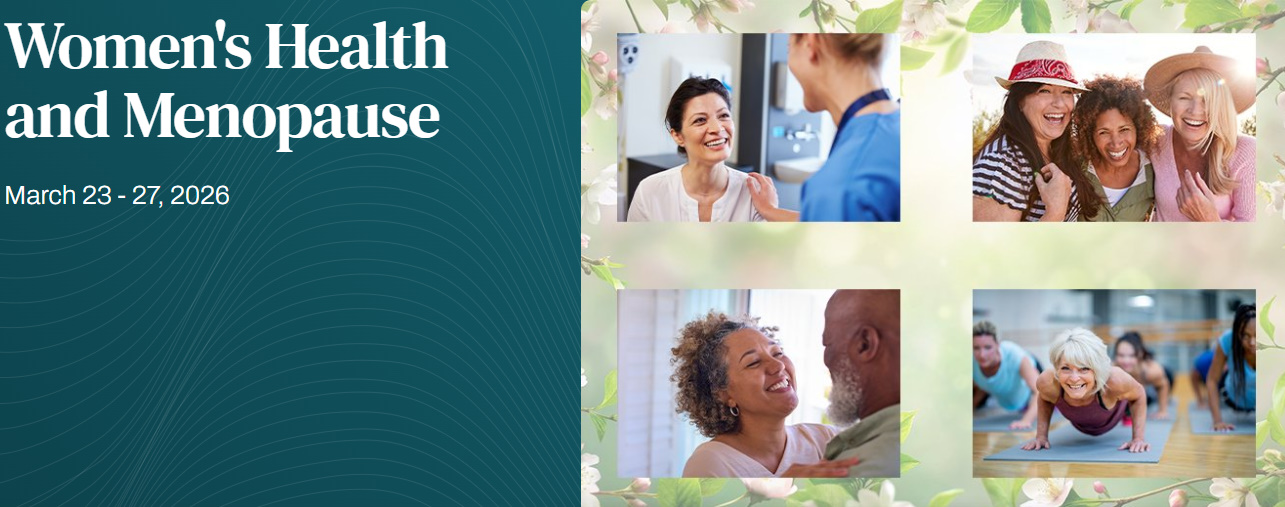
Harvard Women’s Health and Menopause 2026

$125.00
This Product is shared via google drive download link, So please share your correct Gmail id while placing the order .Please note that there are no CME points or certificate associated with this course Samples for Courses Can be found here : Free Samples Here!

Harvard Women’s Health and Menopause 2026
Introduction
The Harvard Women’s Health and Menopause (WHAM) 2026 program provides an advanced academic exploration of reproductive aging, hormonal therapeutics, and long-term preventive strategies relevant to modern female healthcare. Developed in collaboration with faculty from Harvard Medical School together with internationally recognized experts across endocrinology, gynecology, psychiatry, cardiometabolic medicine, rheumatology, sexual health, and integrative care, the curriculum reflects the growing importance of menopause-focused education within contemporary medicine.
This professionally structured educational program examines the physiologic, cognitive, cardiovascular, metabolic, musculoskeletal, and psychosocial effects associated with hormonal transition while providing practical guidance for individualized patient management. Through multidisciplinary teaching and clinically focused discussions, participants gain updated insight into hormone therapy, obesity management, preventive cardiology, neurocognitive health, osteoporosis prevention, oncology-related considerations, sexual wellness, and lifestyle-based interventions.
WHAM 2026 combines scientific rigor with practical applicability. The course structure supports both detailed academic study and efficient topic review, making it highly valuable for physicians, advanced practitioners, and multidisciplinary medical teams seeking updated therapeutic knowledge relevant to outpatient care, specialty medicine, and preventive health management.
Files Included
The Harvard WHAM 2026 educational package includes an extensive collection of multimedia learning materials designed to support both long-form study and ongoing professional reference.
Included resources:
- 62 HD video lectures
- 5 bonus educational video sessions
- 62 subtitle files (VTT format)
- 60 downloadable PDF presentation files
- Total course size: 43 GB
- Additional 84 GB bonus educational materials
- Downloadable lecture slides and presentation resources
- Recorded and live-streamed educational content
- Multimedia learning resources optimized for asynchronous education
- English-language instructional materials
Why This Course Is Important
The management of menopause and reproductive aging has become increasingly important across internal medicine, endocrinology, gynecology, psychiatry, cardiometabolic medicine, and preventive healthcare. Emerging research continues to reshape understanding of hormonal physiology, vascular disease risk, cognition, obesity, osteoporosis, mood disorders, sleep quality, and long-term quality-of-life outcomes associated with midlife hormonal transition.
Despite the widespread prevalence of menopause-related symptoms and associated chronic health implications, many clinicians receive limited formal education in this field during residency and postgraduate training. Providers are increasingly expected to navigate complex discussions involving hormonal therapy safety, individualized prescribing strategies, oncology-related considerations, sexual wellness, metabolic disease risk, and nonpharmacologic interventions while balancing rapidly evolving scientific literature and patient expectations.
WHAM 2026 addresses this educational need through a multidisciplinary framework that approaches hormonal transition as a systemic medical process rather than a narrowly symptom-focused condition. The curriculum emphasizes critical interpretation of emerging research, individualized therapeutic planning, and practical management strategies relevant to real-world patient care.
What Participants Will Learn
Participants completing the Harvard WHAM 2026 course will strengthen their understanding of endocrine physiology, therapeutic reasoning, and preventive strategies related to reproductive aging.
The program is designed to help learners:
- Understand hormonal and physiologic changes occurring throughout reproductive aging
- Identify common and complex presentations associated with perimenopause and menopause
- Apply contemporary prescribing principles for estrogen, progesterone, and testosterone therapies
- Evaluate therapeutic benefits, contraindications, and safety considerations related to hormonal interventions
- Improve management of obesity, insulin resistance, cardiometabolic dysfunction, and vascular disease risk
- Address sexual dysfunction, vulvovaginal symptoms, pelvic floor disorders, and libido-related concerns
- Incorporate nutrition, exercise, sleep optimization, and stress-management strategies into individualized care plans
- Recognize neuropsychiatric manifestations associated with hormonal fluctuation, including anxiety, depression, cognitive symptoms, and ADHD presentations during midlife
- Integrate selected functional and integrative therapeutic concepts into patient management when clinically appropriate
- Strengthen communication strategies, shared decision-making, and individualized treatment planning skills
Full Course Topics & Lectures
Menopause & Hormone Therapy
- The Science of Perimenopause & Menopause
- Menopausal Hormone Therapy 2026
- Prescribing Hormone Therapy Correctly
- Management of Perimenopausal Symptoms
- Complex Menopause Cases
- Testosterone Therapy in Women
- Safety and Risks of Hormone Therapy
Mental Health & Cognitive Medicine
- Brain Fog Expert Panel
- Estradiol and Brain Aging
- ADHD in Midlife Women
- Depression & Menopause
- Trauma-Informed Care
- Anxiety and Mood Swings
Sexual Medicine & Pelvic Health
- Sexual Trauma and Management
- Pelvic Floor Physical Therapy
- Sexual Pain Management
- Libido and Arousal
- Understanding Sexual Health in Midlife
- Vulvar Disorders
Cardiovascular & Metabolic Medicine
- Cardiovascular Disease in Women
- Cardiometabolic Changes in Menopause
- Weight Management in Menopausal Women
- Lifestyle Medicine
- Nutrition and Culinary Medicine
Bone Health, Rheumatology & Musculoskeletal Care
- Osteoporosis Prevention and Treatment
- Hormones for Bone Health
- Musculoskeletal Syndrome of Menopause
- Osteoarthritis in Midlife
- Rheumatologic and Autoimmune Conditions
Oncology & Breast Health
- Breast Cancer Updates 2026
- Managing Menopause in Breast Cancer Patients
- Hormones and Gynecologic Malignancies
- Young Breast Cancer Survivorship
Integrative & Functional Medicine
- Functional Medicine Testing
- Gut Microbiome in Women’s Health
- Dietary Supplements for Vasomotor Symptoms
- Mind-Body Approaches to Menopause
- Adaptogens and HPA Axis Dysfunction
Additional Specialized Topics
- AI in Women’s Healthcare
- LGBTQ+ Care at Midlife
- Dermatology & Skin Care
- Cosmetic Procedures
- Human Trafficking Awareness for Clinicians
- Violence Against Women
- Gastroenterology and Brain-Gut Interactions
Educational Experience & Learning Features
WHAM 2026 combines academic depth with flexible digital learning tools tailored to physicians, advanced trainees, and multidisciplinary care teams.
Educational features include:
- 62 professionally produced HD educational lectures
- 5 bonus learning sessions focused on specialized clinical subjects
- Downloadable PDF presentations for offline review and long-term reference
- Subtitle-supported multimedia learning through included VTT files
- Case-based discussions designed to strengthen diagnostic reasoning and therapeutic planning
- Contemporary guideline reviews relevant to hormonal therapy and preventive medicine
- Multimedia educational formats supporting retention and flexible self-paced study
- Structured educational content suitable for continuing education and board-review preparation
- Practical patient-management discussions relevant to outpatient medicine and specialty care
The asynchronous course format allows participants to revisit complex material, personalize study schedules, and gradually integrate updated therapeutic concepts into patient care workflows.
Who Should Take This Course
The Harvard WHAM 2026 curriculum is intended for clinicians involved in endocrine care, gynecology, internal medicine, preventive medicine, metabolic health, and long-term management of adult female patients.
This program is especially valuable for:
- Obstetricians and gynecologists
- Family medicine physicians
- Internal medicine physicians
- Endocrinologists
- Menopause-focused specialists
- Nurse practitioners and physician assistants
- Nurses working in female-focused specialties
- Allied health providers
- Medical residents and fellows
- Researchers studying hormonal aging and preventive care
- Healthcare educators and wellness specialists
Clinical Applications & Practice Benefits
The WHAM 2026 program is structured to strengthen therapeutic decision-making while supporting continuing education and specialty development across multiple medical disciplines.
Participants gain practical insight into:
- Hormonal prescribing strategies and individualized risk assessment
- Evaluation of complex or treatment-resistant symptom presentations
- Cardiovascular and metabolic risk management during reproductive aging
- Sexual medicine and pelvic health assessment
- Osteoporosis prevention and musculoskeletal preservation strategies
- Oncology-related considerations affecting hormonal therapy decisions
- Integrative and lifestyle-based therapeutic frameworks supported by current literature
- Shared decision-making and patient communication strategies
- Preventive care planning focused on long-term health optimization
- Diagnostic reasoning applicable to both primary and specialty care environments
The curriculum connects endocrine physiology and contemporary scientific understanding with patient-centered therapeutic applications relevant to real-world medical care.
Professional Summary
The Harvard Women’s Health and Menopause (WHAM) 2026 program provides a broad and clinically sophisticated review of hormonal aging, preventive medicine, and multidisciplinary care strategies relevant to modern female healthcare. Developed through collaboration between Harvard Medical School faculty and internationally respected experts across multiple specialties, the curriculum delivers advanced educational training grounded in current scientific understanding and practical patient management principles.
From hormone therapy and cardiometabolic risk reduction to neurocognitive health, sexual wellness, bone preservation, oncology-related care, and integrative therapeutic strategies, WHAM 2026 offers a detailed and clinically relevant educational experience designed to support long-term patient outcomes and professional development.
Its combination of multimedia instruction, practical case discussions, and multidisciplinary clinical perspectives makes the course a valuable educational resource for clinicians seeking deeper expertise in reproductive aging, hormonal therapeutics, and preventive female healthcare.
Related products
Critical Care - Emergency medicine
Critical Care - Emergency medicine

USMLE / kaplan and Board Review
Uworld USMLE COMLEX Level 1 Qbank, Updated Jan 2023, System- and Subject-wise (PDF)

Internal Medicine

Medical Accounts
Medical Accounts
Critical Care - Emergency medicine