

National Jewish Health Improving Cardiovascular Outcomes: The Next Era of Prevention 2025

$20.00
This Product is shared via google drive download link, So please share your correct Gmail id while placing the order .Please note that there are no CME points or certificate associated with this course Samples for Courses Can be found here : Free Samples Here!
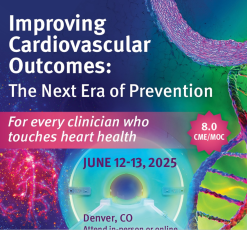
National Jewish Health Improving Cardiovascular Outcomes: The Next Era of Prevention 2025
Advanced Preventive Cardiology, Lipid Management & Cardiometabolic Risk Reduction
National Jewish Health Improving Cardiovascular Outcomes: The Next Era of Prevention 2025 delivers a forward-looking review of modern preventive cardiology, emphasizing the rapidly evolving science of cardiovascular risk reduction, lipid management, inflammation, genetics, metabolic disease, and lifestyle medicine. Hosted at the Molly Blank Conference Center in Denver, Colorado, this hybrid educational meeting brings together nationally recognized experts in cardiology, preventive medicine, lipidology, and population health to explore how cardiovascular prevention is transforming contemporary clinical practice.
As cardiovascular disease prevention increasingly shifts from reactive treatment to proactive risk modification, clinicians now face a more complex landscape involving advanced lipid biomarkers, polygenic risk scores, metabolic dysfunction, environmental exposures, inflammation, reproductive risk factors, and emerging lipid-lowering therapies. This conference reflects that transition by integrating traditional cardiovascular prevention with newer concepts in precision cardiology and cardiometabolic medicine.
The program includes expert-led video lectures focused on lipidology, cardiovascular prevention, genetics, inflammation, environmental cardiovascular health, women’s cardiovascular risk, and multidisciplinary approaches to long-term cardiometabolic disease management.
The Evolution of Preventive Cardiology
Preventive cardiology has changed dramatically over the past decade. Cardiovascular risk assessment is no longer limited to LDL cholesterol levels, hypertension, smoking status, and diabetes alone.
Modern prevention strategies increasingly incorporate:
- Advanced lipid biomarkers
- Lipoprotein(a) assessment
- Polygenic risk scores
- Chronic inflammation
- Obesity and metabolic dysfunction
- Cardiorenal-metabolic syndromes
- Environmental cardiovascular risk
- Lifestyle intervention science
- Reproductive and pregnancy-associated cardiovascular risk
The conference explores how these emerging concepts influence both primary and secondary prevention strategies in clinical practice.
Importantly, the sessions move beyond purely pharmacologic prevention and repeatedly emphasize the integration of:
- Lifestyle medicine
- Team-based care
- Patient-centered prevention
- Behavioral modification
- Population health strategies
This broader perspective reflects the growing understanding that long-term cardiovascular outcomes depend on far more than medication therapy alone.
Lipid Management & Advanced Cholesterol Therapy
Lipidology represents one of the central themes of the meeting.
The course reviews:
- LDL cholesterol targets
- Standard LDL-lowering therapies
- Emerging lipid-lowering medications
- Lipoprotein(a)
- Apolipoprotein B
- Triglyceride management
- HDL-C interpretation
- Fasting vs non-fasting lipid testing
The discussions surrounding lower LDL-C goals are particularly timely given the increasingly aggressive lipid targets recommended in high-risk cardiovascular populations.
Several lectures also explore how traditional lipid panels may underestimate residual cardiovascular risk in certain patients.
The session on Lipoprotein(a) highlights one of the most rapidly expanding areas in preventive cardiology, especially as novel Lp(a)-targeted therapies continue advancing through clinical trials.
Emerging Lipid-Lowering Therapies
Preventive cardiology is entering a new era of pharmacologic innovation.
The course reviews newer lipid-lowering strategies including:
- PCSK9 inhibitors
- RNA-targeted therapies
- Novel triglyceride-lowering agents
- Combination lipid therapies
- Precision lipid management approaches
As treatment options expand, clinicians increasingly face questions regarding:
- Appropriate patient selection
- Cost-effectiveness
- Long-term risk reduction
- Combination therapy sequencing
- Residual inflammatory risk
These practical clinical considerations are explored throughout the lipid-focused sessions.
Cardiometabolic & Kidney Disease Integration
One of the more clinically important themes of the conference is the growing recognition that cardiovascular, kidney, and metabolic diseases are deeply interconnected.
The lecture on a unified cardiometabolic framework explores:
- Obesity-related cardiovascular disease
- Chronic kidney disease and cardiovascular risk
- Metabolic dysfunction
- Diabetes and vascular disease overlap
- Integrated prevention strategies
In practice, cardiovascular prevention increasingly requires collaboration across cardiology, nephrology, endocrinology, primary care, and obesity medicine.
This multidisciplinary perspective reflects how preventive cardiology is evolving into broader cardiometabolic medicine.
Genetics & Precision Cardiovascular Risk Assessment
The genetics sessions review:
- Polygenic risk scores
- Inherited cardiovascular risk
- Precision prevention models
- Personalized cardiovascular risk stratification
Traditional cardiovascular risk calculators often fail to fully capture lifetime cardiovascular risk in younger patients or genetically predisposed populations.
The conference appropriately explores how genomics may influence future prevention strategies while also acknowledging current limitations and evidence gaps.
Inflammation & Cardiovascular Disease
The role of inflammation in atherosclerotic cardiovascular disease continues receiving major scientific attention.
The course reviews:
- Acute and chronic inflammation
- Inflammatory pathways in atherosclerosis
- Residual inflammatory risk
- Inflammation-targeted therapies
Increasing evidence suggests that cardiovascular prevention extends beyond cholesterol reduction alone and requires addressing vascular inflammation as an independent contributor to disease progression.
These discussions help contextualize the growing overlap between cardiology, immunology, and metabolic medicine.
Women’s Cardiovascular Health & Pregnancy Risk
The conference also addresses cardiovascular risk factors unique to women, including:
- Pregnancy-associated cardiovascular risk
- Hypertensive disorders of pregnancy
- Reproductive health and vascular disease
- Long-term cardiovascular implications of pregnancy complications
Many clinicians still underestimate how pregnancy-related complications influence future cardiovascular disease risk.
These lectures emphasize the importance of incorporating reproductive history into cardiovascular risk assessment frameworks.
Environmental & Lifestyle Cardiovascular Medicine
One of the more distinctive aspects of the conference is its discussion of environmental cardiovascular risk factors.
Topics include:
- Air pollution and cardiovascular disease
- Environmental noise exposure
- Climate-related cardiovascular stress
- Temperature extremes and vascular health
These discussions reflect a growing body of evidence linking environmental exposures with cardiovascular morbidity and mortality.
The conference also strongly emphasizes:
- Lifestyle modification
- Nutrition
- Exercise
- Behavioral intervention
- Team-based prevention strategies
Importantly, these sessions avoid simplistic wellness messaging and instead focus on evidence-based preventive interventions supported by cardiovascular outcomes data.
Team-Based Preventive Cardiology Care
Modern cardiovascular prevention increasingly depends on coordinated multidisciplinary care involving:
- Cardiologists
- Primary care physicians
- Lipid specialists
- Dietitians
- Pharmacists
- Behavioral health professionals
- Exercise specialists
The conference repeatedly emphasizes patient-centered preventive care models aimed at improving adherence, risk factor modification, and long-term cardiovascular outcomes.
What’s Included
- Expert-led preventive cardiology video lectures
- Lipidology and cardiovascular prevention updates
- Emerging cardiovascular therapy discussions
- Cardiometabolic disease education
- Genetics and inflammation-focused sessions
- Lifestyle and environmental cardiovascular medicine reviews
Target Audience
This course is ideal for:
- Cardiologists
- Preventive cardiology specialists
- Internal medicine physicians
- Lipidologists
- Endocrinologists
- Nephrologists
- Family medicine physicians
- Advanced practice cardiovascular clinicians
- Preventive medicine specialists
- Primary care physicians interested in cardiometabolic health
Why Improving Cardiovascular Outcomes 2025 Matters
Cardiovascular prevention is undergoing a major transformation driven by advances in lipidology, genetics, inflammation research, obesity medicine, and precision cardiovascular risk assessment. Clinicians increasingly require a broader understanding of cardiometabolic disease that extends beyond traditional risk factor management alone.
National Jewish Health Improving Cardiovascular Outcomes: The Next Era of Prevention 2025 captures this evolution through a multidisciplinary and clinically practical review of modern preventive cardiology. For physicians seeking updated strategies in lipid management, cardiometabolic risk reduction, inflammation, and long-term cardiovascular prevention, this conference provides a highly relevant educational resource grounded in contemporary cardiovascular science.
- Sr. No. Title Duration Speaker
1 Lipid Tests, LDL-C Equations, and Fasting 12:08 Seth Martin
2 Lower LDL-Cholesterol Goals: An Ever-Moving Target 06:36 Ty Gluckman
3 Standard LDL-C Lowering Therapies 13:38 Fatima Rodriguez
4 Lipoprotein (a): What to Know and Why it Matters 14:43 Erin Michos
5 Beyond LDL: Apolipoprotein B, Triglycerides, & HDL-C 11:30 Fatima Rodriguez
6 New Kids on the Block: Emerging Lipid-Lowering Therapies 10:22 Fatima Rodriguez
7 Pregnancy and Reproductive Associated Risks 16:53 Erin Michos
8 Acute and Chronic Inflammation 09:40 Marc Bonaca
9 Climate Crisis and Cardiovascular Health: Risks from Air Pollution, Environmental Noise, and Temperature Extremes 12:02 Andrew Freeman
10 Moving Beyond Traditional Cardiovascular Risk Factors: Genetics and Polygenic Risk Scores 12:49 Seth Martin
11 A Unified Theory to Improve Cardiovascular, Kidney, and Metabolic Health 45:10 Chiadi Ndumele
Related products
Internal Medicine

Critical Care - Emergency medicine

Internal Medicine

Internal Medicine

Medical Accounts

Cardiology
Critical Care - Emergency medicine
2022 UPDATES IN THERAPEUTICS: CRITICAL CARE PHARMACY PREPARATORY REVIEW AND RECERTIFICATION COURSE
Internal Medicine