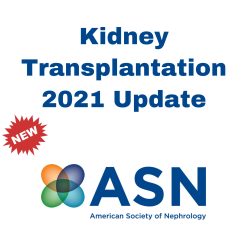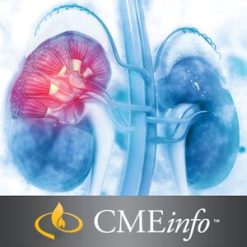
ASN Kidney Transplantation 2021 Update
Advanced Kidney Transplant Medicine, Immunology & Post-Transplant Management
Kidney transplantation remains the preferred treatment for many patients with end-stage kidney disease, offering improved survival, better quality of life, and greater long-term physiologic stability compared with chronic dialysis. Yet modern transplantation has become increasingly complex, requiring clinicians to navigate rapidly evolving areas of immunology, donor selection, rejection monitoring, infectious disease management, allocation policy, and long-term graft preservation.
The ASN Kidney Transplantation 2021 Update provides a comprehensive review of contemporary kidney transplant medicine through expert-led discussions focused on transplant immunology, donor and recipient evaluation, immunosuppressive management, infectious complications, graft outcomes, and emerging future directions in transplantation.
The course integrates foundational science with practical clinical application across the full spectrum of kidney transplant care, including:
- Acute rejection
- Banff classification updates
- HLA and epitope matching
- Immunosuppressive pharmacology
- Living and deceased donor evaluation
- Viral infections in transplant recipients
- Post-transplant malignancy
- Recurrent glomerular disease
- Ethical and allocation challenges
The Rapid Evolution of Kidney Transplantation
Kidney transplantation has changed dramatically over the past two decades due to advances in:
- Histocompatibility testing
- Immunologic risk assessment
- Biologic therapies
- Donor allocation systems
- Molecular diagnostics
- Infection prophylaxis
- Long-term graft monitoring
At the same time, transplant clinicians continue balancing difficult competing priorities involving:
- Rejection prevention
- Infection risk
- Malignancy risk
- Medication toxicity
- Organ allocation fairness
- Long-term patient survival
The ASN update repeatedly emphasizes that successful transplantation increasingly depends on individualized risk stratification rather than standardized protocols alone.
Transplant Immunology for Clinicians
A major strength of the course is its practical review of transplant immunology.
The lectures examine:
- Alloimmune responses
- T-cell activation
- Antibody-mediated injury
- HLA compatibility
- Epitope matching
- Immune tolerance mechanisms
For many clinicians, transplant immunology can feel abstract and highly technical. The course translates these complex concepts into clinically meaningful frameworks relevant to:
- Donor selection
- Immunosuppressive strategy
- Rejection risk assessment
- Long-term graft survival
Acute Rejection & Banff Classification
The rejection-focused sessions review:
- Cellular rejection
- Antibody-mediated rejection
- Banff classification updates
- Histopathologic interpretation
- Clinical management strategies
Modern rejection diagnosis increasingly integrates:
- Histology
- Serologic findings
- Donor-specific antibodies
- Molecular markers
- Clinical graft function
The course highlights how evolving Banff criteria continue reshaping the interpretation of transplant biopsies and rejection severity.
HLA Matching & Immunologic Risk Assessment
The immunologic assessment lectures examine:
- HLA compatibility
- Epitope analysis
- Sensitization risk
- Crossmatching techniques
- Donor-specific antibodies
Transplant matching has become substantially more sophisticated as newer technologies allow more precise evaluation of immunologic compatibility.
Clinical decision-making becomes particularly nuanced in:
- Highly sensitized patients
- Retransplant candidates
- Complex donor-recipient pairs
Immunosuppressive Therapy & Pharmacology
The immunosuppression sessions review:
- Calcineurin inhibitors
- Antimetabolites
- Corticosteroids
- Costimulatory blockade
- Drug interactions
- Toxicity monitoring
One recurring challenge in transplant medicine involves balancing:
- Adequate immunosuppression
against - Infection, malignancy, and medication toxicity risk.
The course emphasizes individualized immunosuppressive strategies based on:
- Immunologic risk
- Infection history
- Comorbid disease
- Medication tolerance
- Long-term graft goals
Drug Interactions & Adverse Effects
Medication management in transplant recipients remains highly complex.
The course explores:
- Drug-drug interactions
- Nephrotoxicity
- Metabolic complications
- Neurotoxicity
- Cardiovascular risk
- Therapeutic drug monitoring
Because transplant recipients often require multiple medications simultaneously, clinicians must constantly assess how changing therapies influence immunosuppressive exposure and toxicity.
Living Donor Evaluation
The living donor discussions focus on:
- Medical screening
- Risk assessment
- Ethical considerations
- Complex donor evaluation
- Long-term donor outcomes
Modern donor selection increasingly requires careful evaluation of:
- Hypertension
- Obesity
- Metabolic risk
- Kidney reserve
- Cardiovascular health
- Psychosocial factors
The course also reviews the ethical obligation to minimize long-term harm to healthy donors.
Deceased Donor Allocation & Access Disparities
The allocation sessions examine:
- Organ distribution systems
- Equity in transplantation
- Access disparities
- Allocation optimization
- Waitlist management
Transplantation continues facing major challenges related to:
- Geographic disparities
- Socioeconomic inequities
- Minority access barriers
- Organ scarcity
The course discusses evolving strategies aimed at improving fairness and efficiency in organ allocation.
COVID-19 & Kidney Transplantation
The COVID-19 discussions review:
- Immunosuppression during infection
- Viral complications
- Vaccine considerations
- Outcomes in transplant recipients
Transplant recipients represent a uniquely vulnerable population because immunosuppression alters both infection susceptibility and vaccine response.
These sessions reflect the major clinical uncertainties transplant programs faced during the pandemic era.
Viral Infections in Transplant Patients
The infectious disease lectures address:
- Polyomavirus (BK virus)
- Cytomegalovirus (CMV)
- Opportunistic infections
- Viral monitoring strategies
Balancing antiviral control while avoiding rejection often becomes one of the most difficult aspects of post-transplant management.
Recurrent Glomerular Disease
The recurrent disease sessions review:
- FSGS recurrence
- IgA nephropathy recurrence
- Complement-mediated disease
- Recurrence prevention strategies
Recurrent glomerular disease remains a major cause of late graft dysfunction and frequently requires highly individualized therapeutic approaches.
Post-Transplant Malignancy
The malignancy lectures examine:
- Skin cancer risk
- PTLD
- Solid organ malignancies
- Immunosuppression-related cancer risk
- Screening strategies
Long-term immunosuppression significantly alters cancer risk profiles, requiring careful surveillance and prevention planning.
Future Developments in Transplantation
The “What’s in the Pipeline” sessions explore:
- Immune tolerance research
- Xenotransplantation
- Precision immunosuppression
- Biomarker development
- Molecular diagnostics
- Emerging biologic therapies
These discussions provide insight into how transplantation may evolve over the coming decade.
Real-World Clinical Relevance
One of the strongest aspects of the ASN update is its integration of:
- Immunology
- Pathology
- Pharmacology
- Ethics
- Clinical medicine
- Long-term transplant care
The program consistently prioritizes practical transplant management rather than purely theoretical discussion.
Topics Covered
- Acute rejection and Banff classification
- Basic transplant immunology
- COVID-19 in kidney transplant patients
- Living donor evaluation
- Deceased donor allocation
- HLA and epitope matching
- Immunosuppressive regimens
- Drug interactions and adverse effects
- BK virus and CMV infections
- Post-transplant malignancies
- Recurrent glomerular disease
- Future developments in transplantation
Final Expert Perspective
Modern kidney transplantation increasingly requires clinicians to integrate advanced immunology, molecular diagnostics, donor selection, infectious disease management, and long-term immunosuppressive strategy into highly individualized patient care. As transplantation outcomes continue improving, attention has shifted toward optimizing long-term graft survival while minimizing toxicity, infection risk, malignancy, and disparities in access to care.
The ASN Kidney Transplantation 2021 Update provides a detailed and clinically relevant review of contemporary kidney transplant medicine through expert-led discussions focused on immunology, rejection, donor evaluation, immunosuppressive therapy, transplant complications, and emerging innovations. For transplant nephrologists, surgeons, fellows, internists, and clinicians involved in kidney transplant care, the course offers a valuable and practice-oriented update in modern transplantation medicine.