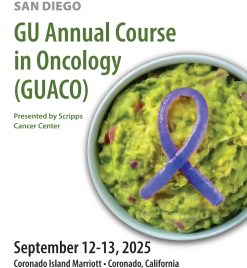
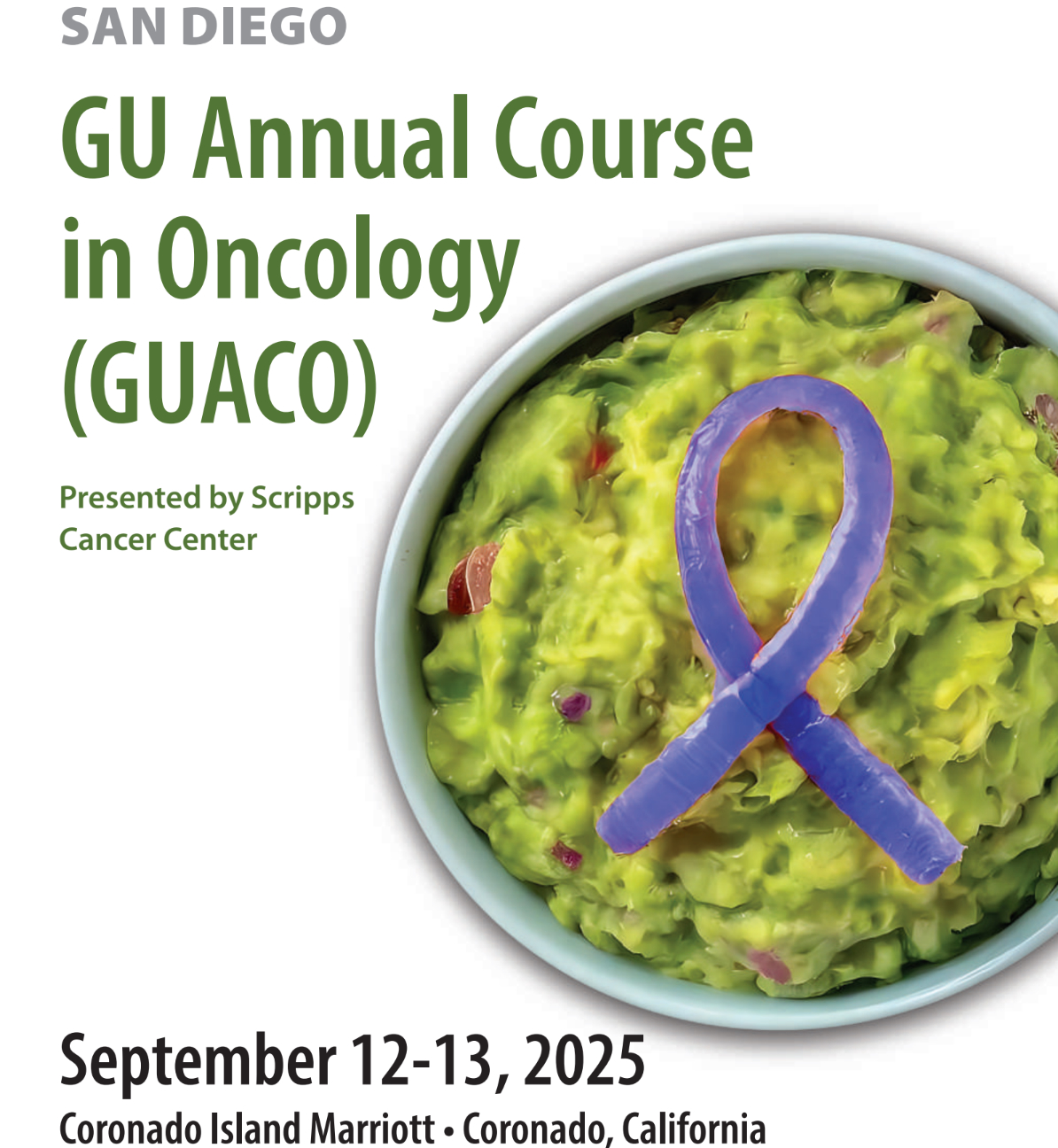
Scripps San Diego Genitourinary Annual Course in Oncology (GUACO) 2025
Advanced GU Oncology Update for Prostate, Bladder & Kidney Cancer Management
The Scripps San Diego Genitourinary Annual Course in Oncology (GUACO) 2025 provides a clinically focused and multidisciplinary review of modern genitourinary cancer management, bringing together leading experts in medical oncology, urology, radiation oncology, and molecular imaging. Held at the Coronado Island Marriott in California, this CME-oriented program examines current standards of care alongside rapidly emerging therapeutic strategies that are reshaping prostate, bladder, and kidney cancer treatment.
As genitourinary oncology becomes increasingly precision-driven, clinicians now face evolving challenges involving:
- Molecular imaging interpretation
- Theranostics
- Immunotherapy sequencing
- Antibody-drug conjugates (ADCs)
- Oligometastatic disease management
- Personalized systemic therapy
- Advanced radiation strategies
- Hereditary cancer evaluation
This course addresses these complexities through expert-led lectures, multidisciplinary panels, and case-based discussions designed to translate emerging evidence into practical clinical decision-making.
Course Details
- Course: Scripps San Diego Genitourinary Annual Course in Oncology (GUACO) 2025
- Location: Coronado Island Marriott, Coronado, California
- Date: September 12–13, 2025
- Includes: 15 Videos + 16 PDFs
- Total Size: 2.35 GB
- Target Audience: Oncologists, urologists, radiation oncologists, advanced practice providers, oncology trainees
The Rapid Evolution of Genitourinary Oncology
Few oncology specialties are evolving as quickly as GU cancer care.
Recent advances involving:
- PSMA PET imaging
- Theranostics
- Immunotherapy
- Antibody-drug conjugates
- Precision molecular profiling
- Advanced radiation integration
have significantly altered treatment algorithms for prostate, bladder, and renal malignancies.
The GUACO 2025 program repeatedly emphasizes that successful modern GU oncology management increasingly requires:
- Multidisciplinary collaboration
- Personalized treatment selection
- Careful sequencing of therapies
- Integration of molecular diagnostics
- Shared decision-making with patients
Rather than focusing solely on theoretical updates, the course highlights real-world implementation challenges that clinicians encounter in daily practice.
Prostate Cancer: Screening, Theranostics & Advanced Disease Management
The prostate cancer sessions explore both early-stage detection strategies and advanced systemic management.
Topics include:
- Prostate cancer screening in 2025
- Oligometastatic disease management
- Theranostics
- Castrate-resistant prostate cancer (CRPC)
- Radiation integration
- Case-based treatment decisions
One of the strongest themes throughout these sessions is the growing role of molecular imaging and theranostics in redefining prostate cancer care.
Highly sensitive imaging modalities such as PSMA PET are increasingly identifying disease patterns that blur the traditional boundaries between localized and metastatic disease. As a result, clinicians must now reconsider:
- Timing of local therapy
- Radiation strategies
- Systemic therapy initiation
- Metastasis-directed interventions
The course appropriately highlights that more advanced imaging often creates more nuanced clinical questions rather than straightforward answers.
Oligometastatic Prostate Cancer & Local Therapy
The discussions on oligometastatic prostate cancer examine:
- Role of primary tumor treatment
- Radiation approaches
- Integration with systemic therapy
- Disease burden assessment
- Patient selection strategies
This remains one of the most debated areas in GU oncology because treatment decisions increasingly depend on balancing:
- Disease biology
- Imaging findings
- Functional status
- Long-term quality of life
- Progression risk
The course emphasizes multidisciplinary coordination between medical oncology, urology, and radiation oncology when approaching these patients.
Theranostics & Molecular Imaging
The theranostics lectures review:
- Current PSMA-targeted strategies
- Future radioligand therapies
- Molecular imaging advances
- Precision treatment planning
Theranostics represents one of the most transformative developments in prostate cancer over the last decade, combining diagnostic imaging with targeted therapeutic delivery.
The symposium explores how these technologies are changing:
- Disease staging
- Treatment sequencing
- Monitoring strategies
- Personalized oncology care
Castrate-Resistant Prostate Cancer in 2025
The CRPC-focused discussions analyze the expanding therapeutic landscape for advanced prostate cancer.
Topics include:
- Hormonal therapy evolution
- Targeted systemic therapy
- Sequencing challenges
- Radioligand integration
- Resistance patterns
As therapeutic options continue expanding, clinicians increasingly face difficult questions regarding:
- Optimal treatment order
- Duration of therapy
- Balancing toxicity with efficacy
- Patient-specific therapeutic goals
The course appropriately frames these decisions as individualized rather than strictly protocol-based.
Bladder Cancer: Immunotherapy, ADCs & Organ Preservation
The bladder cancer sessions focus on both localized and invasive disease management.
Topics include:
- Intravesical therapy
- Non-muscle invasive bladder cancer (NMIBC)
- Radiation approaches for invasive disease
- Immunotherapy
- Antibody-drug conjugates
- Lymphadenectomy strategies
Bladder oncology has experienced substantial therapeutic expansion through:
- Immune checkpoint inhibitors
- Novel ADCs
- Organ-preserving treatment strategies
- Precision systemic therapy
The course repeatedly highlights how bladder cancer management now requires increasingly sophisticated sequencing and multidisciplinary planning.
Antibody-Drug Conjugates in Bladder Cancer
The ADC-focused lectures explore:
- Clinical application of ADCs
- Toxicity management
- Future systemic therapy directions
- Therapeutic sequencing challenges
As ADCs become more integrated into bladder cancer treatment algorithms, clinicians must understand not only efficacy data, but also:
- Toxicity timing
- Patient selection
- Combination therapy considerations
- Functional reserve assessment
Kidney Cancer: Precision Oncology & Surgical Decision-Making
The renal cell carcinoma sessions examine:
- Radiotherapy for renal masses
- Cytoreductive nephrectomy
- RCC subtyping
- Hereditary kidney cancer
- Molecular classification strategies
Renal oncology increasingly relies on biologic subclassification and precision therapeutic planning rather than treating RCC as a single disease entity.
The course appropriately emphasizes the growing importance of:
- Histologic subtype identification
- Genetic risk assessment
- Personalized surgical decision-making
- Integration of systemic therapy
Cytoreductive Nephrectomy in Modern RCC Care
The cytoreductive nephrectomy discussions address one of the more controversial areas in kidney cancer management.
Topics include:
- Patient selection
- Timing of surgery
- Integration with systemic therapy
- Metastatic disease management
Modern RCC care increasingly requires balancing:
- Surgical morbidity
- Disease burden
- Immunotherapy responsiveness
- Functional status
- Overall oncologic strategy
Hereditary Kidney Cancer & Genetic Evaluation
The hereditary kidney cancer sessions led by Dr. Brian Shuch review:
- Genetic screening strategies
- Hereditary RCC syndromes
- Risk stratification
- Guideline updates
As genetic testing becomes more integrated into oncology practice, clinicians must increasingly recognize patients who may benefit from:
- Familial risk evaluation
- Precision surveillance
- Germline testing
- Personalized management plans
Educational Structure & Practical Application
One of the strengths of GUACO 2025 lies in its highly practical educational format.
The course combines:
- Expert lectures
- Interactive panel discussions
- Real-world case presentations
- Multidisciplinary treatment debates
- Clinical scenario analysis
This structure helps clinicians move beyond theoretical updates toward practical implementation in daily patient care.
What You’ll Learn
Participants will gain updated insight into:
- Modern GU cancer treatment algorithms
- Prostate cancer theranostics
- Immunotherapy and ADC integration
- Oligometastatic disease management
- RCC molecular classification
- Radiation and surgical decision-making
- Hereditary kidney cancer evaluation
- Multidisciplinary GU oncology workflows
Who Should Attend
This course is ideal for:
- Medical oncologists
- Urologists
- Radiation oncologists
- Oncology nurse practitioners
- Physician assistants
- Oncology pharmacists
- Residents and fellows in oncology or urology
- Multidisciplinary GU cancer teams
Why This GU Oncology Course Matters
Genitourinary oncology is rapidly evolving through advances in molecular imaging, theranostics, immunotherapy, antibody-drug conjugates, and precision cancer diagnostics. These innovations are redefining how clinicians approach prostate, bladder, and kidney cancer across every stage of disease.
The Scripps San Diego Genitourinary Annual Course in Oncology (GUACO) 2025 provides a clinically grounded and multidisciplinary review of these developments through expert-led discussions and case-based learning. For oncology professionals seeking updated guidance on modern GU cancer management, this program offers valuable insight into the future direction of precision genitourinary oncology.